
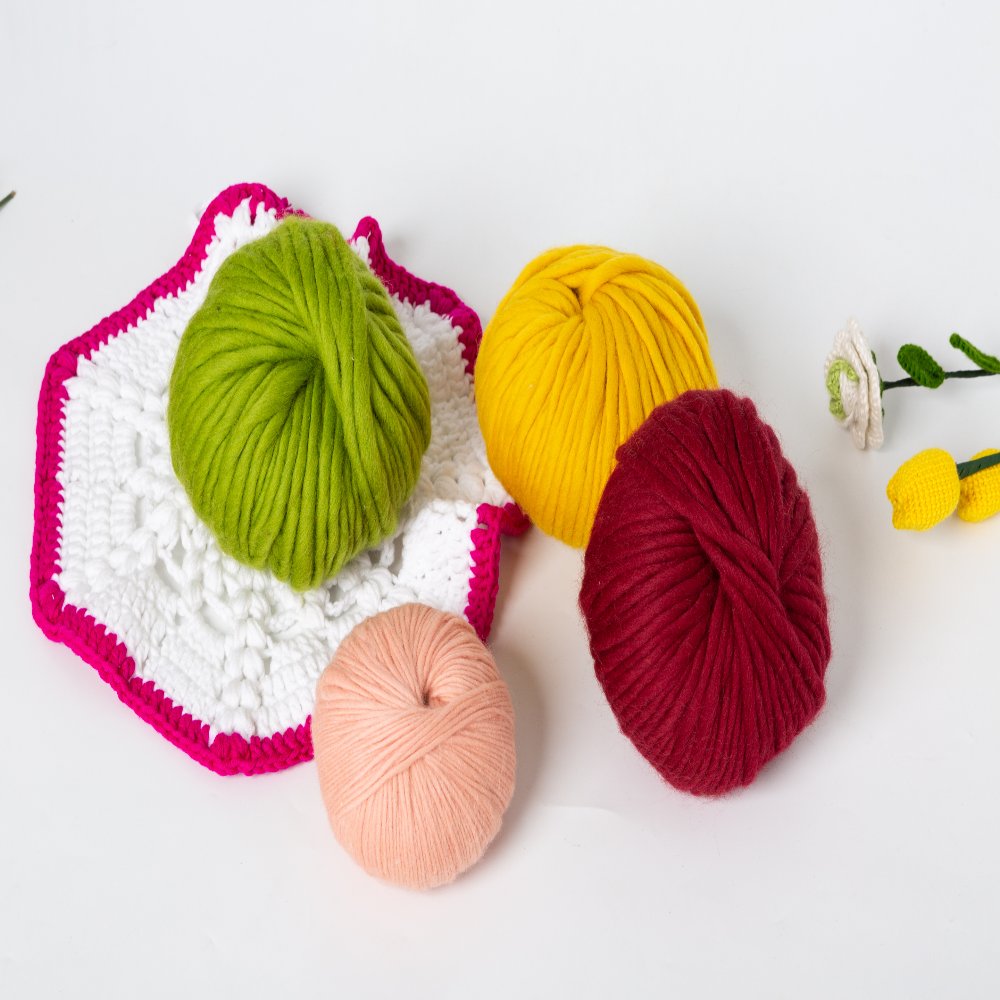
Wool Yarn RFQs: Separate Fiber Content and Origin
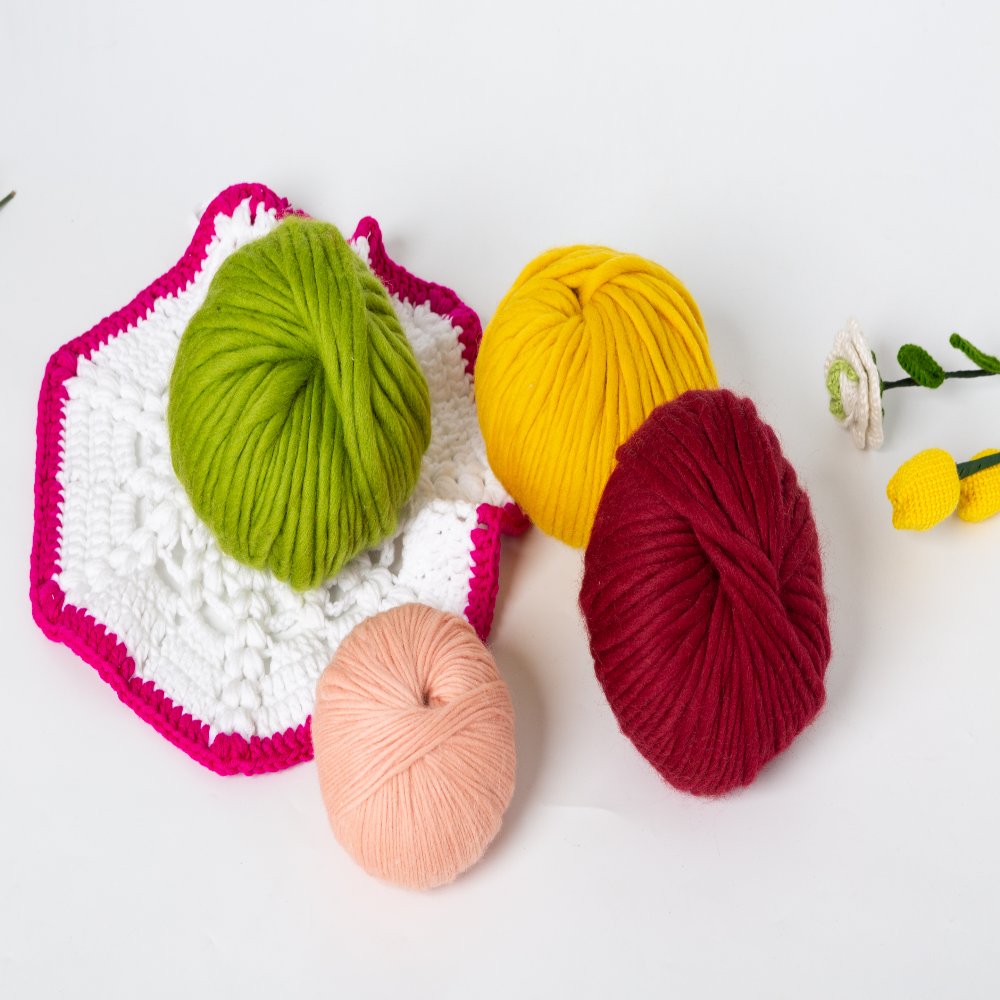
A wool yarn RFQ should separate fiber composition, product construction and any origin requirement into distinct fields. Identify the exact catalogue reference, request confirmation of the quoted blend and ask for relevant supporting documents. Do not treat a style name, product photograph or soft appearance as proof of geographic origin, fiber percentage or a particular certification.
Wool-related catalogue names can refer to quite different materials. Yercan lists Wool Iceland Yarn YK042 as 100% wool, Alpaca Yarn YK031 as 30% alpaca and 70% wool, and YK043 as 20% wool and 80% acrylic. These examples show why a buyer should ask for an explicit composition statement rather than request wool yarn without identifying the selected reference and intended order.
1. Give each quoted yarn an unambiguous identity
Start with a product link, catalogue code and the required color reference. If you are comparing several constructions, put each on a separate RFQ line. A quotation for YK042 should remain distinguishable from an alpaca-wool blend or a wool-acrylic blend, even when all three appear within a winter-yarn collection.
Ask the supplier to identify the actual sample and quoted product using the same reference. If a substitute is proposed, request its own composition and construction details before comparing commercial terms. Similar appearance does not make two yarns the same item, and a broad category label should not hide a proposed substitution.
Catalogue references: Wool Iceland Yarn YK042, Alpaca Yarn YK031, Wool Heather Yarn YK043.
2. Record composition separately from marketing language
Use a field that names each fiber and its declared percentage. The three listed examples provide specific catalogue declarations, but your order still needs confirmation for the selected product. Where a custom blend is requested, state the required composition explicitly and ask the supplier to distinguish it from the standard catalogue reference.
Keep terms about softness, warmth or a particular visual character outside the composition field. Those descriptions do not identify the blend. If fiber verification is part of the purchasing requirement, agree the relevant documentation or evaluation for the supplied item rather than treating a product image or yarn band as independent proof.
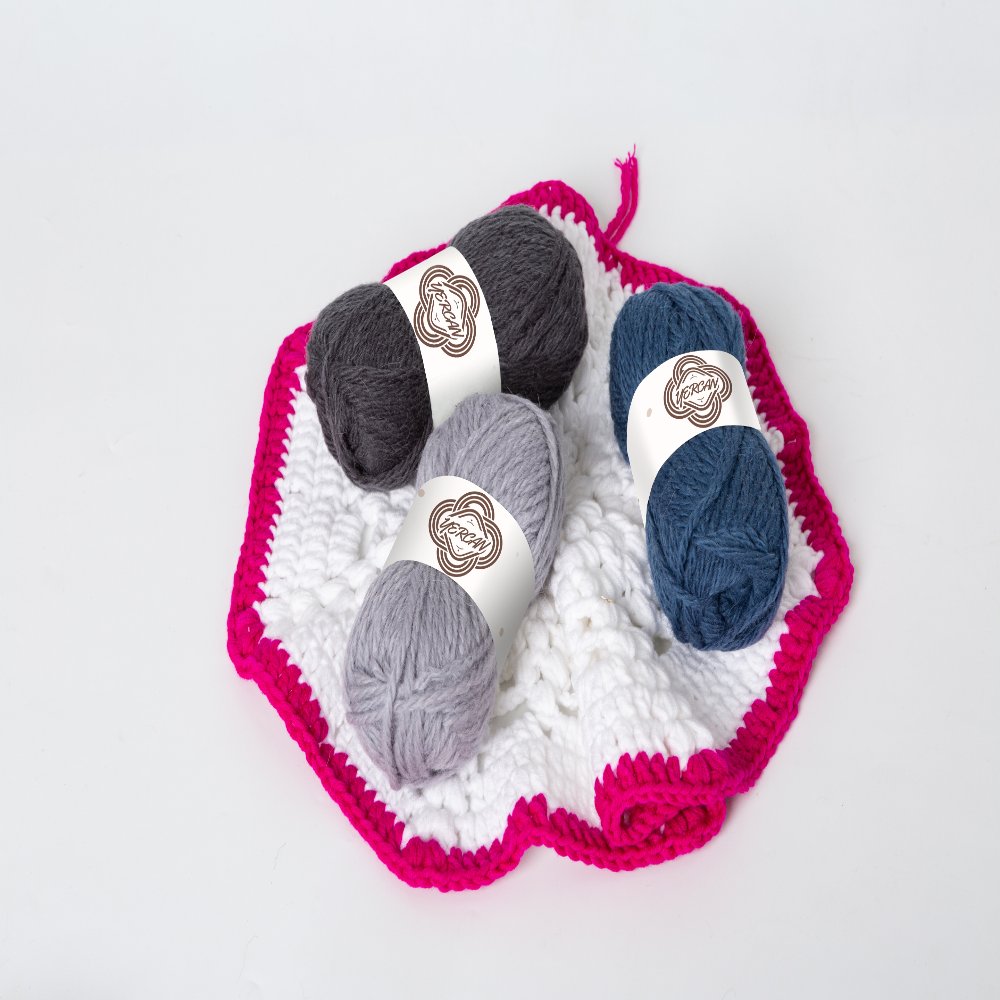
- Identify the product code and declared fiber percentages.
- Ask geographic-origin questions in a separate field.
- Link the quotation, sample and supplier declaration.
3. Ask origin questions without reading them into names
The word Iceland in a product name should not automatically become an assertion about where the fiber was raised, processed or spun. If origin matters to your business, ask the supplier which stage and material the statement refers to. Distinguish fiber origin from the location of yarn manufacture and the place from which the goods will ship.
Request the supporting information needed for the claim you intend to use. Do not add a geographic statement, breed name or certification to a retail label simply because it sounds consistent with the product style. Keep unconfirmed origin questions open in the RFQ until the supplier has answered them clearly.
| Catalogue reference | Listed composition | RFQ clarification |
|---|---|---|
| Wool Iceland Yarn YK042 | 100% wool | Confirm quoted item and any origin statement |
| Alpaca Yarn YK031 | 30% alpaca, 70% wool | Confirm blend and construction reference |
| Wool Heather Yarn YK043 | 20% wool, 80% acrylic | Confirm standard or requested custom blend |
4. Clarify construction and the sample reference
Ask for the yarn-count system, construction and supplied format appropriate to the selected item. If a page names a count or ply, confirm how it applies to the quoted variant instead of converting it into another system without agreement. Specify whether the inquiry concerns the catalogue presentation or a different proposed supply format.
Request a labeled yarn sample and, where useful, a worked swatch made under an agreed method. Link the sample to the composition statement and product code. A swatch can support appearance and handling review, while any required performance, fiber or care evaluation remains a separate requirement with its own evidence.
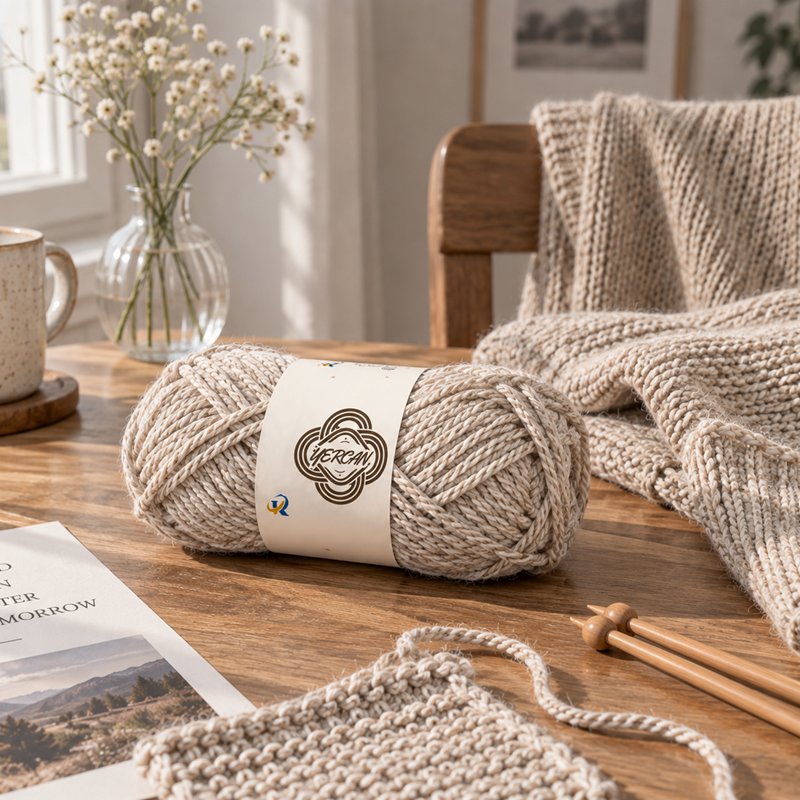
5. Compare complete responses before placing an order
Use the same response sheet for every quoted option. Separate confirmed composition, unresolved origin questions, construction details and sample status from commercial conditions. Ask the supplier to identify assumptions or missing information. This makes it easier to compare offers without allowing a familiar product name to substitute for a complete technical response.
Before ordering, confirm quantities by reference, packing identification and the delivery basis directly. Keep the approved sample, supplier declaration and final quotation together. When the blend or source statement changes on a later order, request a revised reference rather than silently carrying forward an earlier approval.
Frequently Asked Questions
Does Iceland in a yarn name prove fiber origin?
No. Ask what the name describes and request separate confirmation for any geographic statement you need. Fiber origin, yarn manufacturing location and shipping location are different questions and should not be combined into one assumption.
Can a buyer order simply by the term wool yarn?
Use a more precise reference when the composition matters. The catalogue includes materially different wool-related blends. Provide the product code and required fiber declaration so the quotation and sample can be checked against the same requirement.
Is a yarn photograph enough to confirm a blend?
No. A photograph can identify the intended catalogue reference and appearance, but it does not verify fiber percentages. Ask for the supplier’s declaration and agree any additional evidence required for your purchasing or labeling decision.
Send product codes, required fiber declarations, color references and any separate origin questions. Ask Yercan to return a quotation that identifies confirmed facts, sample references and the information still awaiting approval. Browse the product catalogue, read the wool-yarn application overview or contact the supplier.