
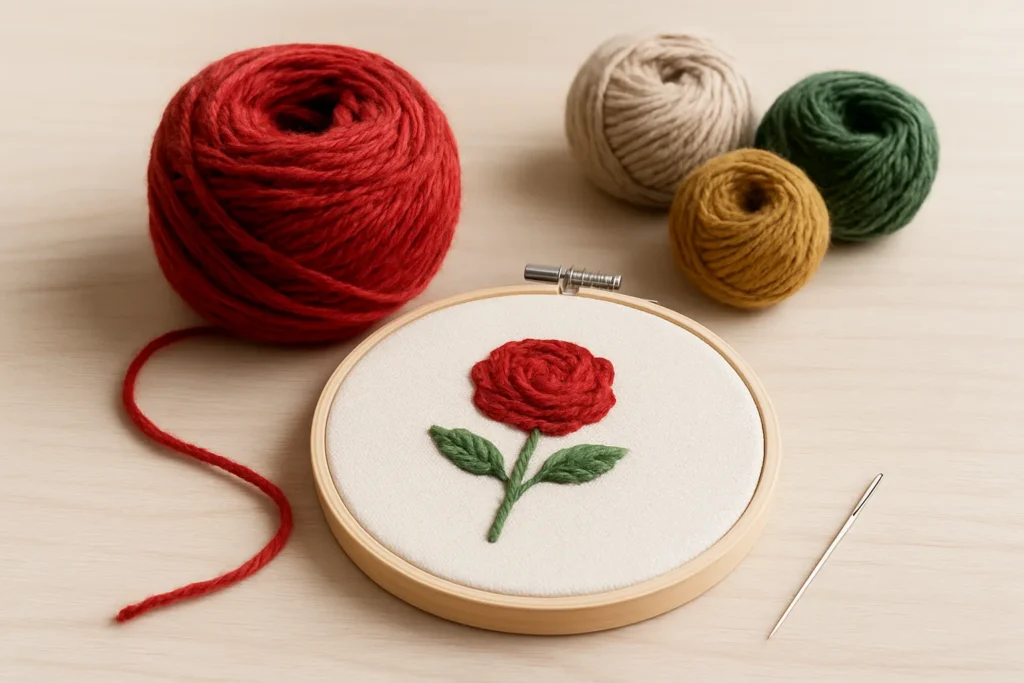
Understanding the Advantages of Using Wool Yarn in Embroidery Projects
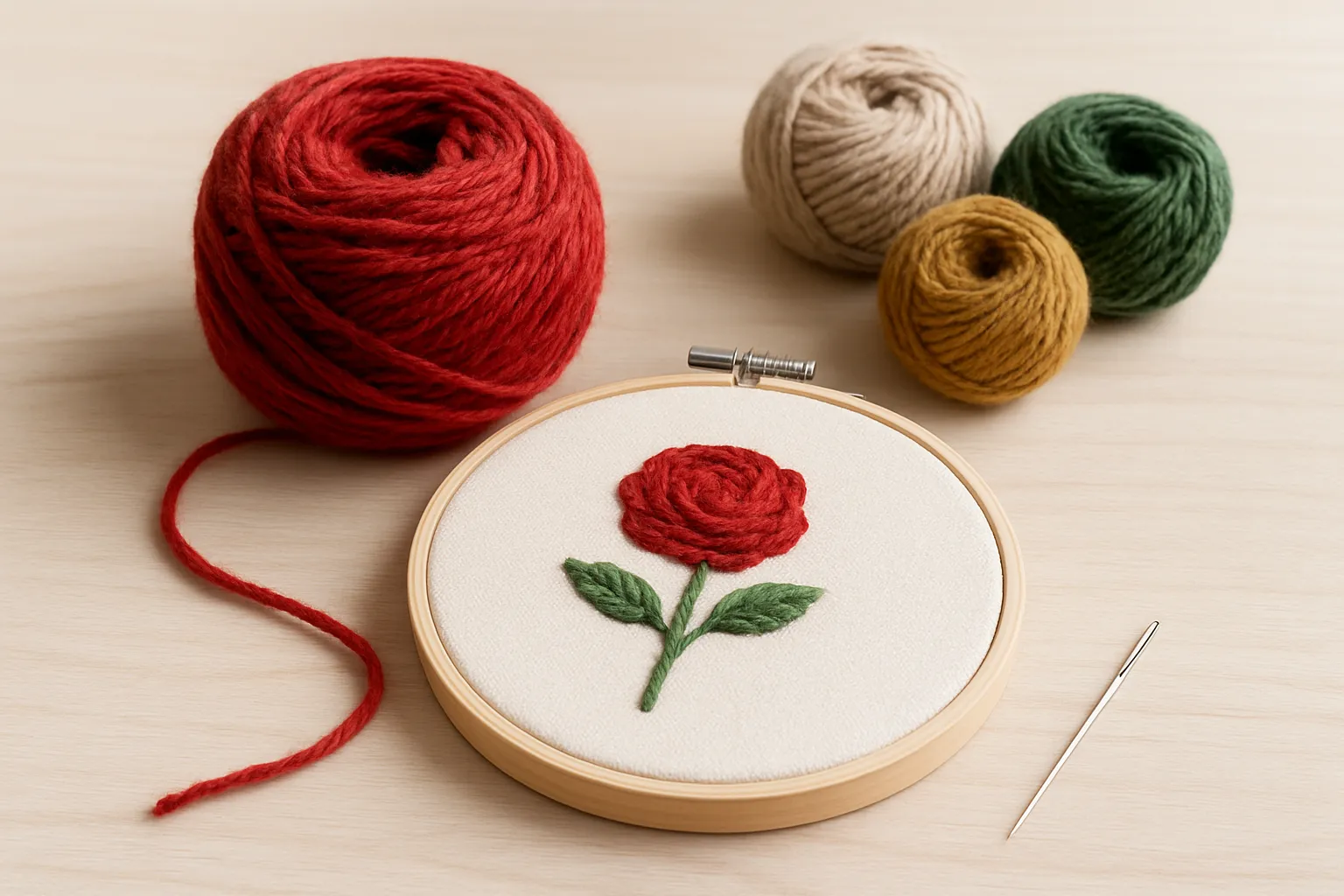
1. Introduction to Wool Yarn in Embroidery
Wool yarn has established itself as a fundamental element in the textile industry, especially in the realm of embroidery. To put it simply, wool yarn is a type of yarn made from the fleece of sheep, and it is celebrated for its warmth, resilience, and versatility. Within the broader category of embroidery threads—which includes options like cotton, silk, and synthetic fibers—wool yarn stands out due to its unique advantages that appeal to both amateur crafters and seasoned professionals.
As the demand for premium embroidery materials increases, understanding the benefits of wool yarn becomes crucial. In this article, I will explore the specifications, advantages, and practical applications of wool yarn in embroidery, offering insights that can elevate your crafting experience.
2. Specifications of Wool Yarn
Fiber Composition
Wool yarn is primarily made from natural fibers sourced from sheep. The most popular types include Merino, Shetland, and Corriedale, each offering distinct qualities in terms of softness, elasticity, and durability. The natural crimp in wool fibers enhances their ability to trap air, providing excellent insulation. This characteristic makes wool yarn an ideal choice for various embroidery applications.
Weight and Thickness Variations
Wool yarn is available in a wide range of weights and thicknesses, allowing crafters to select the best fit for their embroidery projects. Common weights include lace, fingering, sport, worsted, and bulky. The thickness of the yarn can dramatically affect the final appearance of the embroidery; thicker yarns tend to create bold designs, while finer yarns allow for intricate detailing.
Color Options and Dyeing Techniques
One of the most appealing features of wool yarn is its vibrant color palette. Wool has an exceptional ability to absorb dyes, resulting in rich, saturated colors that can enhance any embroidery project. Various dyeing techniques, including hand-dyeing and gradient dyeing, are utilized to create unique and customizable colorways, making wool yarn a versatile option for artistic expression.
3. Advantages of Using Wool Yarn
Durability and Longevity
Wool yarn is celebrated for its durability. Unlike many synthetic fibers, wool can endure wear and tear, making it perfect for frequently used items such as home decor or clothing. Its natural resilience ensures that embroidery made with wool yarn can last for years without significant fading or fraying. In my experience, this durability often leads to satisfied customers who appreciate the longevity of their embroidered pieces.
Natural Insulation Properties
Wool is a natural insulator, meaning that items embroidered with wool yarn can provide warmth without being overly bulky. This quality makes it particularly suitable for winter apparel and cozy home textiles. Additionally, wool’s ability to wick moisture away from the body contributes to its comfort, making it a desirable material for various applications.
Texture and Aesthetic Appeal
The unique texture of wool yarn adds depth and dimension to embroidery projects. Its natural loftiness results in a visually appealing finish that enhances the overall design. Furthermore, the soft, tactile quality of wool makes it enjoyable to work with, encouraging creativity and experimentation in embroidery techniques.
4. Use Cases for Wool Yarn in Embroidery
Home Decor Projects
Wool yarn is an excellent choice for home decor projects such as wall hangings, cushions, and throws. Its durability ensures these items can withstand daily use, while its aesthetic appeal adds warmth and style to any space. The ability to create textured patterns and rich colors with wool yarn can transform ordinary decor into stunning focal points.
Fashion and Apparel Embroidery
In the fashion industry, wool yarn is used in numerous applications, from embellishing garments to crafting intricate designs on accessories. Its natural insulating properties make it suitable for winter clothing, while its versatility accommodates a range of styles, from contemporary to traditional. I believe that embroidered wool items can add a unique, artisanal touch to fashion lines, setting them apart from mass-produced alternatives.
Craft and DIY Applications
For crafters and DIY enthusiasts, wool yarn opens a world of possibilities. From handmade gifts to personalized projects, wool’s versatility allows for creative expression. Its ease of use in various embroidery techniques, such as cross-stitch, needlepoint, and free-motion embroidery, makes it accessible for both beginners and experienced crafters.
5. Comparing Wool Yarn to Other Embroidery Threads
Wool vs. Cotton Threads
While cotton threads are favored for their softness and ease of care, they often lack the durability and insulation properties of wool yarn. Wool tends to retain its shape better over time and can withstand harsher conditions, making it a more reliable choice for long-lasting projects.
Wool vs. Synthetic Threads
Synthetic threads like polyester and nylon are frequently chosen for their strength and colorfastness. However, they may lack the warmth and texture that wool provides. Wool yarn offers a more organic feel and appearance, which can be particularly appealing for handcrafted items.
Performance in Different Environments
Wool yarn excels in various environments. Its natural moisture-wicking properties help regulate temperature, making it suitable for both warm and cold climates. This adaptability is a significant advantage for businesses looking to create versatile products that appeal to a broad audience.
6. Sourcing Wool Yarn for Embroidery Projects
Identifying Quality Suppliers
When sourcing wool yarn for embroidery projects, identifying reputable suppliers that offer high-quality materials is essential. Look for suppliers that provide detailed information about their wool’s origin, processing methods, and any certifications related to sustainability and ethical practices. For a reliable source of various yarns, check out the Products – Pujiang Yercan Textile Technology Co., Ltd.
Sustainable Sourcing Practices
Sustainability is increasingly important in the textile industry. Many consumers and businesses are prioritizing eco-friendly materials. When sourcing wool yarn, consider suppliers that implement sustainable practices, such as responsible grazing and environmentally friendly dyeing processes. Supporting ethical production not only aligns with consumer values but also appeals to a growing market segment that values sustainability.
Cost Considerations
Cost is a vital factor when sourcing wool yarn. While high-quality wool may come at a premium, the durability and aesthetic appeal often justify the investment. Businesses should weigh the long-term benefits of using wool yarn against initial costs, considering the potential for higher customer satisfaction and repeat business.
7. Implementation Tips for Using Wool Yarn
Recommended Tools and Equipment
To work effectively with wool yarn, having the right tools is essential. Embroidery hoops, needles designed for wool, and sharp-edged scissors can enhance the quality of your work. Investing in high-quality embroidery patterns tailored for wool yarn can lead to better results.
Techniques for Working with Wool Yarn
When working with wool yarn, consider techniques that highlight its unique qualities. For example, using a combination of stitches can create texture and depth, while layering colors can produce stunning visual effects. Experimenting with various embroidery styles can help you discover the best ways to utilize wool yarn in your projects.
Care and Maintenance of Wool Embroidery
Proper care is vital to maintain the integrity of wool embroidery. Hand washing with mild detergents and air drying is recommended to prevent shrinkage and damage. Educating customers about the care of wool-embroidered items can enhance their longevity and ensure satisfaction.
8. Frequently Asked Questions (FAQs)
Common Concerns About Wool Yarn
Many crafters express concerns about the itchiness of wool. However, high-quality wool, such as Merino, is often soft and comfortable against the skin. Additionally, wool’s natural properties make it resistant to odors and dirt, simplifying maintenance.
Troubleshooting Embroidery Issues
Common issues when working with wool yarn include tension problems and unraveling. Ensuring the right needle size and maintaining consistent tension can help mitigate these concerns. If unraveling occurs, using a yarn guide can assist in maintaining control during stitching.
Best Practices for Beginners
For those new to using wool yarn in embroidery, starting with simple projects can build confidence. Gradually experimenting with different stitches and techniques will enhance skills and encourage creativity. Joining embroidery communities or workshops can also provide valuable support and inspiration.
Conclusion
Wool yarn offers a wealth of advantages for embroidery projects, from its durability and insulation properties to its aesthetic appeal. With various specifications and use cases, it stands out as a versatile choice for both professional and amateur crafters. By understanding the unique characteristics of wool yarn, businesses can make informed decisions that enhance their embroidery offerings and meet the evolving demands of their customers. As the textile industry continues to embrace sustainable practices, sourcing high-quality wool yarn can also align with ethical consumerism, making it a smart choice for the future.