
Fancy Yarn Samples: Approve the Knitted Surface
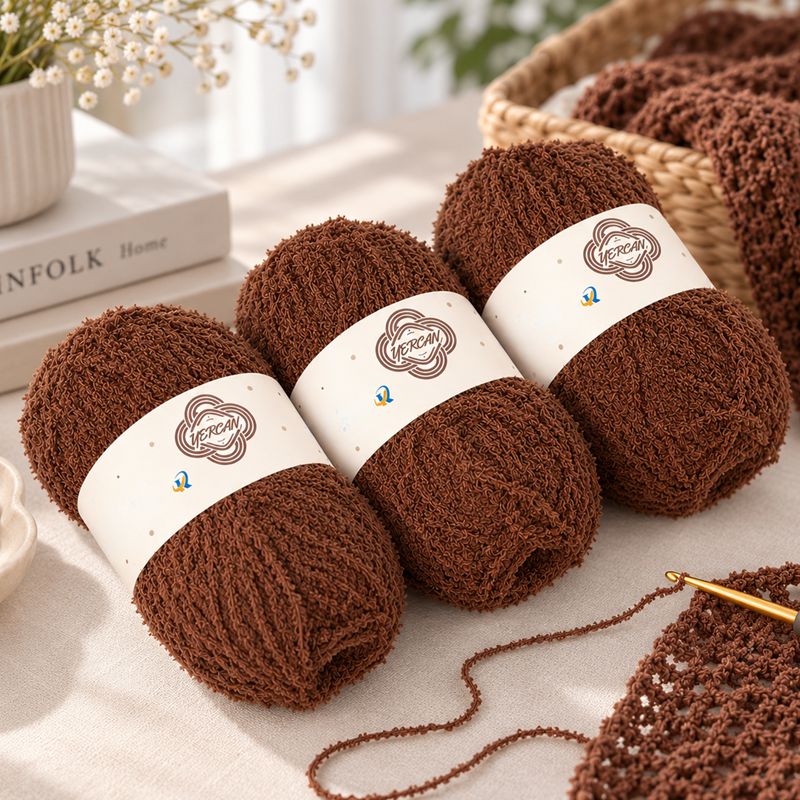
Approve fancy yarn with both a labeled yarn reference and a worked swatch made under an agreed method. Compare the surface, stitch visibility and handling observations on the fabric you intend to make. Keep decorative appearance separate from fiber identity and measured performance, then record which product, color and construction the approved samples actually represent.
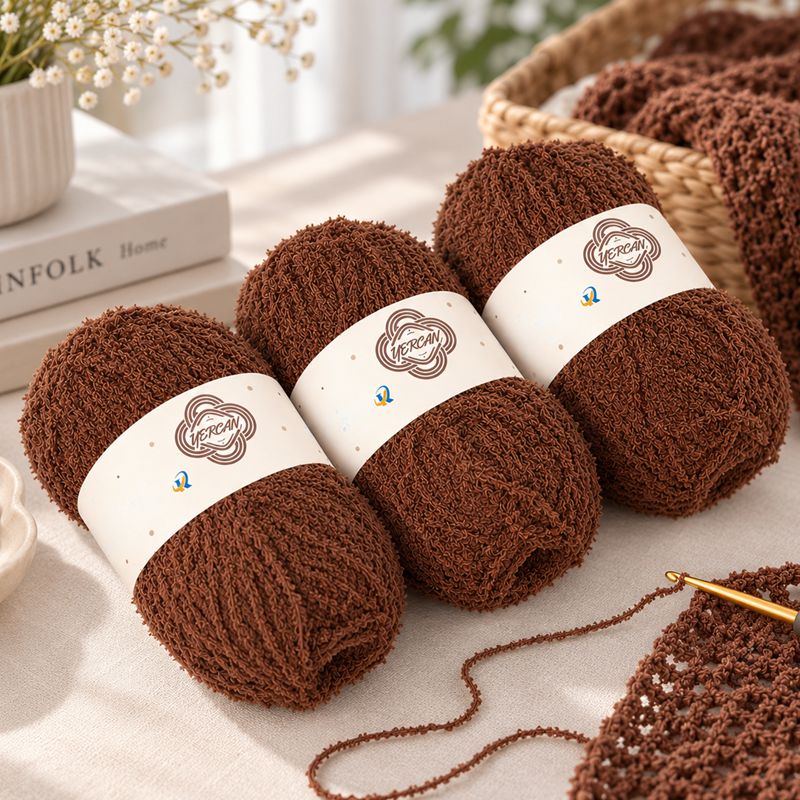
A textured yarn can look different as a loose strand, a retail ball and a knitted surface. Yercan lists Feather Yarn YK024, Nylon Corrugated Yarn YK040 and Horsetail Fleece Yarn YK026 as separate catalogue references. Their names help identify the intended styles, but a purchasing team still needs a common approval method before using catalogue appearance as a production reference.
1. Label the yarn before making a swatch
Record the catalogue code, selected color and the supplied sample format. Ask the supplier to confirm the construction and declared fiber composition of that reference. The YK024 and YK026 pages list polyester, while YK040 lists a nylon-acrylic blend. Keep those written declarations separate from descriptive names such as feather or horsetail.
Attach the sample label to the review record rather than relying on a photograph of several yarns. If the supplier proposes a revised texture or a different construction, give it a new reference within the review. This prevents the final approval from drifting between visually similar but differently identified samples.
Catalogue references: Feather Yarn YK024, Nylon Corrugated Yarn YK040, Horsetail Fleece Yarn YK026.
2. Agree a method that makes comparisons useful
Choose a representative knitting or crochet method for the intended product and record the tools, stitch pattern and other agreed preparation details. The purpose is to make the comparison understandable, not to force every yarn through a method that suits only one construction. Ask the supplier or sample maker to identify any necessary difference in preparation.
Keep the yarn reference with the resulting swatch and record which side is intended to face outward. A worked surface can reveal effects that are difficult to judge from a strand alone. Do not compare a densely worked sample with an open sample without noting that their preparation also differs.
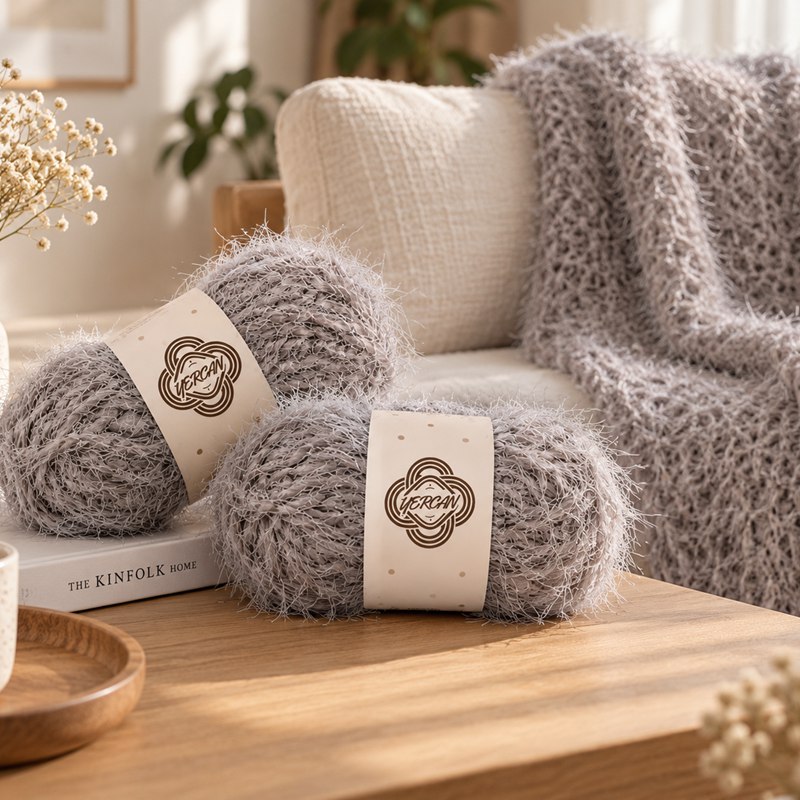
- Retain a labeled yarn sample and worked swatch.
- Record how each comparison surface was made.
- Keep appearance approval separate from performance evidence.
3. Review surface character and stitch visibility
Look at the swatch under consistent lighting and at a representative viewing distance. Note how the decorative surface sits across the stitches, whether the underlying structure remains visible and whether the appearance matches the buying brief. Use clear photographs of the face and reverse to support discussion, while retaining the physical reference for touch and close inspection.
The goal is an agreed appearance, not a universal ranking of textures. One yarn may suit a pronounced decorative surface while another fits a design that needs more visible stitches. Describe the intended result and any unacceptable irregularity so approval is tied to the product being developed.
| Review reference | What it helps decide | What it does not establish |
|---|---|---|
| Loose strand or ball | Catalogue identity and supplied appearance | Finished-fabric effect by itself |
| Worked swatch | Surface character and stitch visibility | Universal performance or production speed |
| Preparation record | How the comparison was made | A standard method for every construction |
| Separate evaluation | The specifically agreed requirement | Unrelated claims outside its scope |
4. Separate handling observations from test claims
Ask the sample maker to record practical observations such as difficulty seeing stitches, joining a new length or maintaining the intended surface during the work. These notes can help the buyer decide whether the selected yarn fits the planned making process. They do not establish an industrial production rate or guarantee ease of use for every maker.
If shedding, abrasion, colorfastness, wash appearance or another performance requirement matters, agree a suitable evaluation separately. A hand-feel review or a neat photograph does not prove those properties. Obtain care information for the selected reference before preparing any after-care sample, rather than applying an assumed process to every fancy yarn.
5. Retain an approval set that can guide production
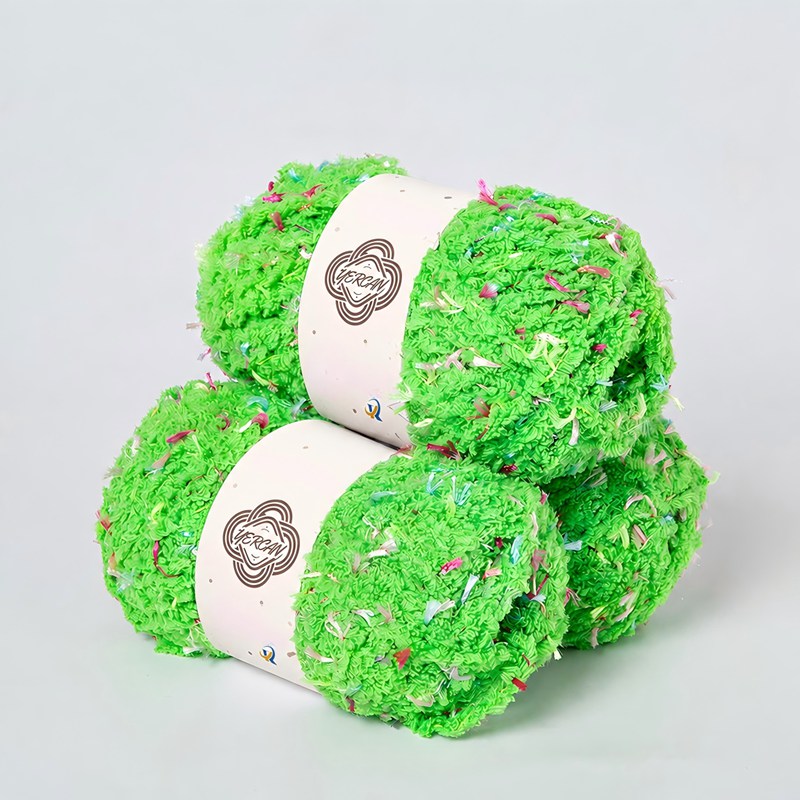
Keep the labeled yarn, worked swatch, preparation notes and approved photographs together. State whether the approval covers appearance only or also any separately completed evaluation. Give each approved color and construction a clear identity, and record which changes would require another sample rather than extending approval to an entire category.
Before ordering, ask for confirmation of the quoted reference, packing identification and commercial arrangements. Make the retained sample set available to the receiving or production team so a later concern can be described against the same reference. If the texture changes, review its effect on the worked surface explicitly.
Frequently Asked Questions
Can a ball photograph approve a fancy yarn?
It can help identify the intended catalogue item, but it does not show every worked-fabric effect. Use a labeled physical reference and an agreed swatch when the final surface is central to the buying decision.
Do decorative yarn names identify the fiber?
Not necessarily. Treat the name as a catalogue reference and request the written material declaration. The selected feather and horsetail references list polyester, so their names should not be turned into unsupported animal-fiber claims.
Does an attractive swatch prove low shedding?
No. Keep visual approval separate from that requirement. If shedding or another performance property matters, agree the evaluation method and supporting evidence for the actual selected reference rather than infer the result from a photograph.
Request labeled samples for the chosen yarn codes and describe the intended fabric. Agree the swatch preparation and approval scope before treating a decorative catalogue image as the reference for a bulk order. Browse the product catalogue, read the fancy-yarn market overview or contact the supplier.