
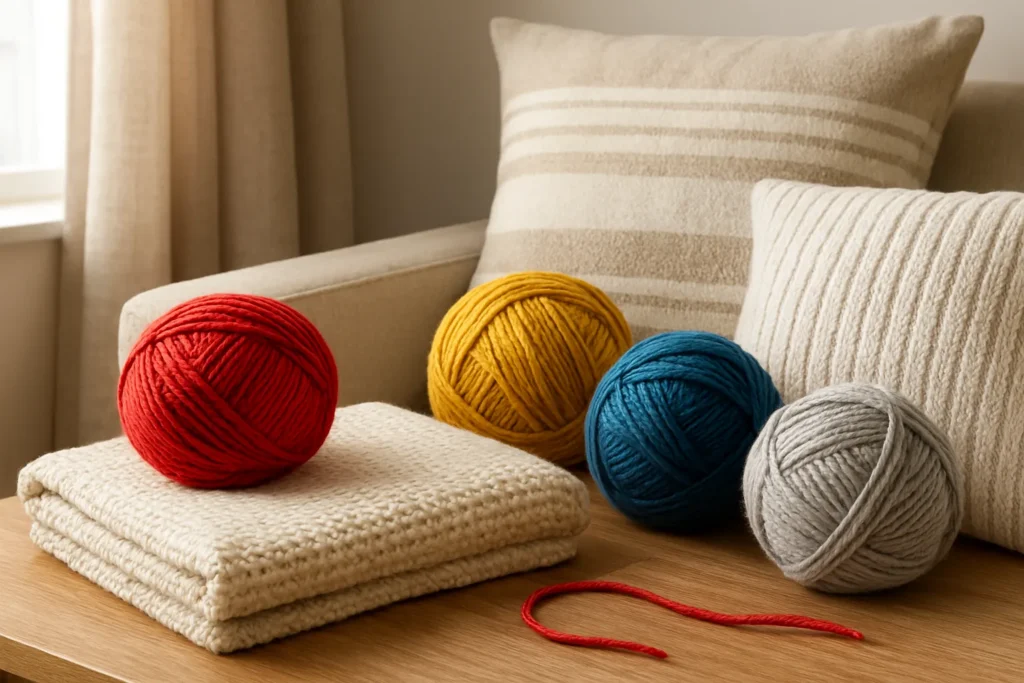
Benefits of Acrylic Yarn for Home Textiles: A Guide
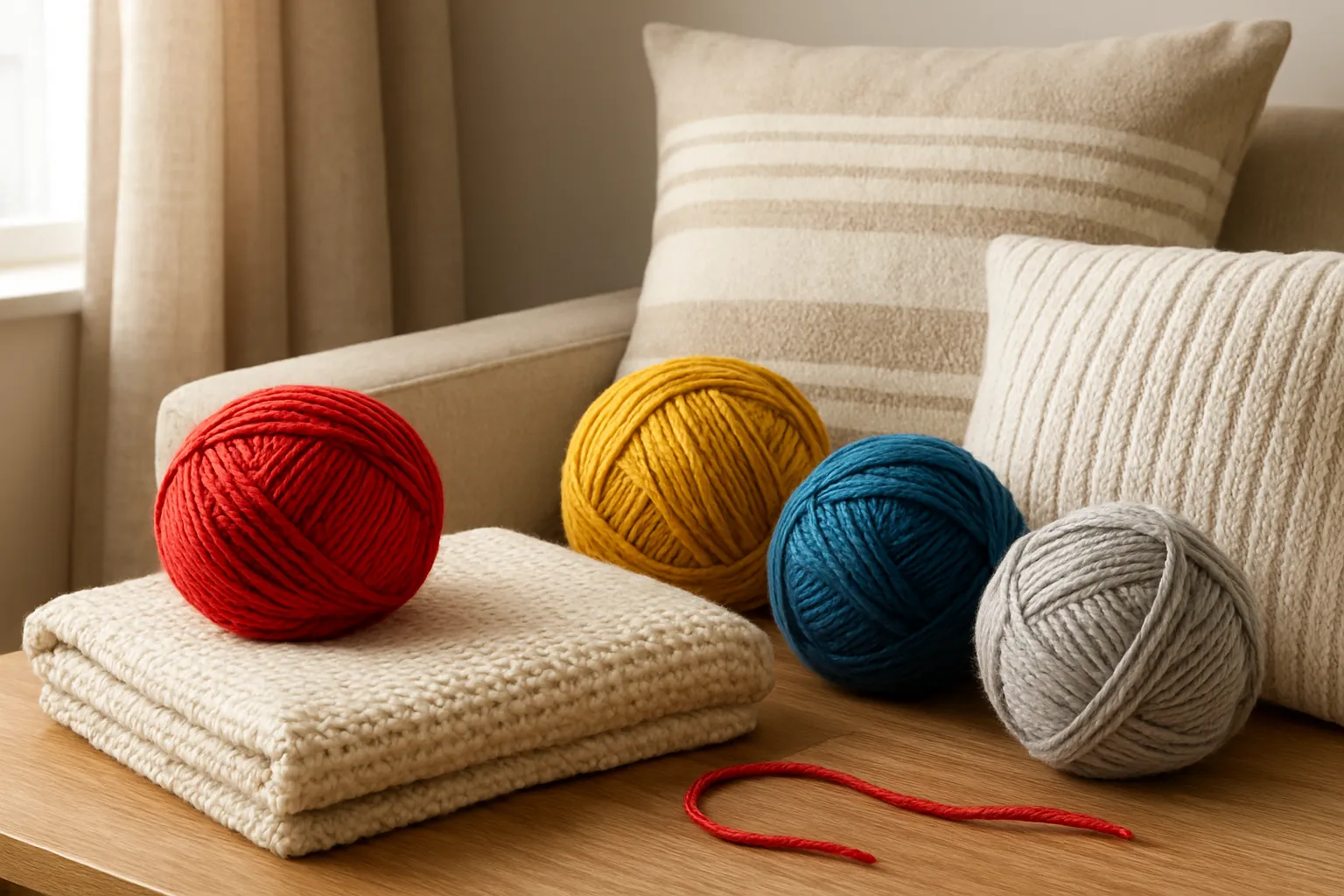
Acrylic yarn has emerged as a staple in the textile industry, particularly for home textiles. This synthetic fiber, derived from polymer materials, offers remarkable versatility and affordability, along with vibrant color choices. As someone who has worked extensively in the textile domain, I can attest to the popularity of acrylic yarn among both hobbyists and professionals. Its performance and ease of use make it a favored option for many textile applications.
Understanding Acrylic Yarn
Acrylic yarn is primarily composed of polyacrylonitrile, a synthetic polymer that closely resembles the properties of wool. This unique composition grants it a soft texture, which makes it comfortable to wear and easy to handle during crafting. One of the standout characteristics of acrylic yarn is its durability; it is resistant to wear and tear, making it ideal for high-traffic areas in homes. Moreover, it is machine washable and quick-drying, which simplifies maintenance.
These features enhance its appeal for various textile applications.
Acrylic Yarn Specifications
- Colorfastness: Acrylic yarn is available in a wide array of colors and patterns. Its colorfastness ensures that vibrant hues stay intact even after multiple washes, making it a reliable choice for long-lasting home textiles.
- Versatility: This yarn is suitable for various applications, including knitting, crocheting, upholstery, and DIY projects. Its elasticity and ability to hold shape make it a great fit for different stitch patterns.
Applications of Acrylic Yarn in Home Textiles
From my experience, acrylic yarn is a favorite among knitters and crocheters for creating cozy blankets, scarves, and hats. Its properties allow for creative expression in textile projects. Additionally, its durability extends to upholstery, providing a stylish and practical option for furniture coverings.
Decorative items such as pillows and wall hangings can also be crafted using acrylic yarn, enhancing the aesthetic appeal of any living space.
Comparison with Other Yarn Types
While natural fibers such as cotton and wool offer breathability and luxury, acrylic yarn provides similar benefits at a lower cost. It is also more resistant to moths and mildew, making it a practical choice for home textiles. When comparing acrylic to blended yarns, which combine acrylic with other fibers, pure acrylic often remains more affordable and accessible—an attractive option for budget-conscious consumers.
Sourcing Acrylic Yarn for B2B Buyers
For businesses interested in sourcing acrylic yarn, identifying reliable suppliers is crucial. Researching suppliers’ reputations and customer reviews can guide informed decisions. Many suppliers offer bulk purchasing options, which can significantly reduce costs for B2B buyers.
Establishing a long-term relationship with a supplier can lead to better pricing and product availability. Additionally, implementing quality assurance practices, such as requesting samples and checking certifications, is essential to ensure that the yarn meets industry standards.
Best Practices in Production
When working with acrylic yarn, following best practices is vital. This includes using the correct tension and gauge to meet quality expectations. Basic knitting and crocheting tools are essential, but for larger production runs, industrial knitting machines may be required to improve efficiency.
Sustainability is also a consideration; while acrylic yarn is not biodegradable, advancements in recycling technology are paving the way for recycled acrylic yarn, allowing businesses to adopt eco-friendly practices.
Frequently Asked Questions
What are the advantages of using acrylic yarn?
Acrylic yarn is affordable, durable, easy to maintain, and comes in a wide variety of colors, making it a versatile choice for home textiles.
How does acrylic yarn compare to other materials?
Acrylic yarn offers similar benefits to natural fibers at a lower cost, with added durability and resistance to pests.
What should I consider when sourcing acrylic yarn?
Consider factors such as supplier reliability, bulk purchasing options, and quality assurance practices to ensure the best product for your needs.
In conclusion, acrylic yarn is an incredibly beneficial material for home textile applications. Its durability, variety, and cost-effectiveness make it an ideal choice for both crafting and production. By understanding its specifications and sourcing practices, businesses can effectively leverage acrylic yarn in their offerings, ensuring quality and satisfaction for their customers.