
Fancy Yarn: A Trend in Handcrafting
Fancy yarn has become a captivating trend in the handcraft market, showcasing a variety of uniquely textured and vividly colored options. This type of yarn is distinguished by its embellishments, diverse textures, and unconventional constructions, setting it apart from traditional yarns. As a result, fancy yarn has captured the attention of both crafters and consumers alike. The handcraft yarn market, which encompasses activities such as knitting, crocheting, and weaving, is rapidly evolving, driven by an increasing demand for innovative and visually appealing materials. In this article, we will delve into the rise of fancy yarn, explore current trends, discuss its diverse applications, and provide strategies for sourcing and integrating these exciting products into your business offerings.
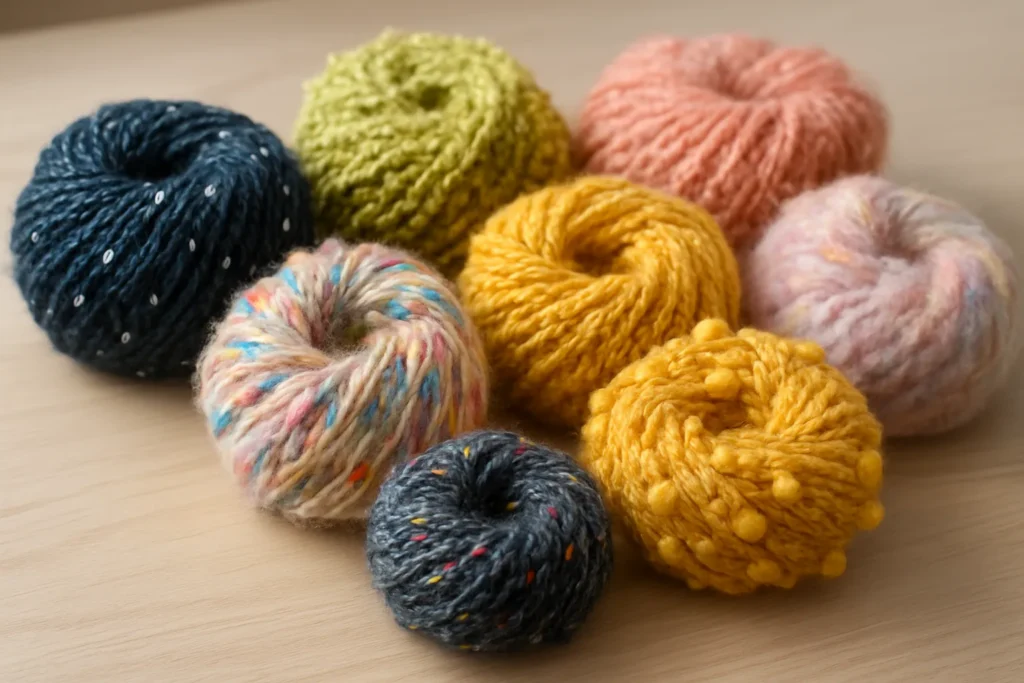
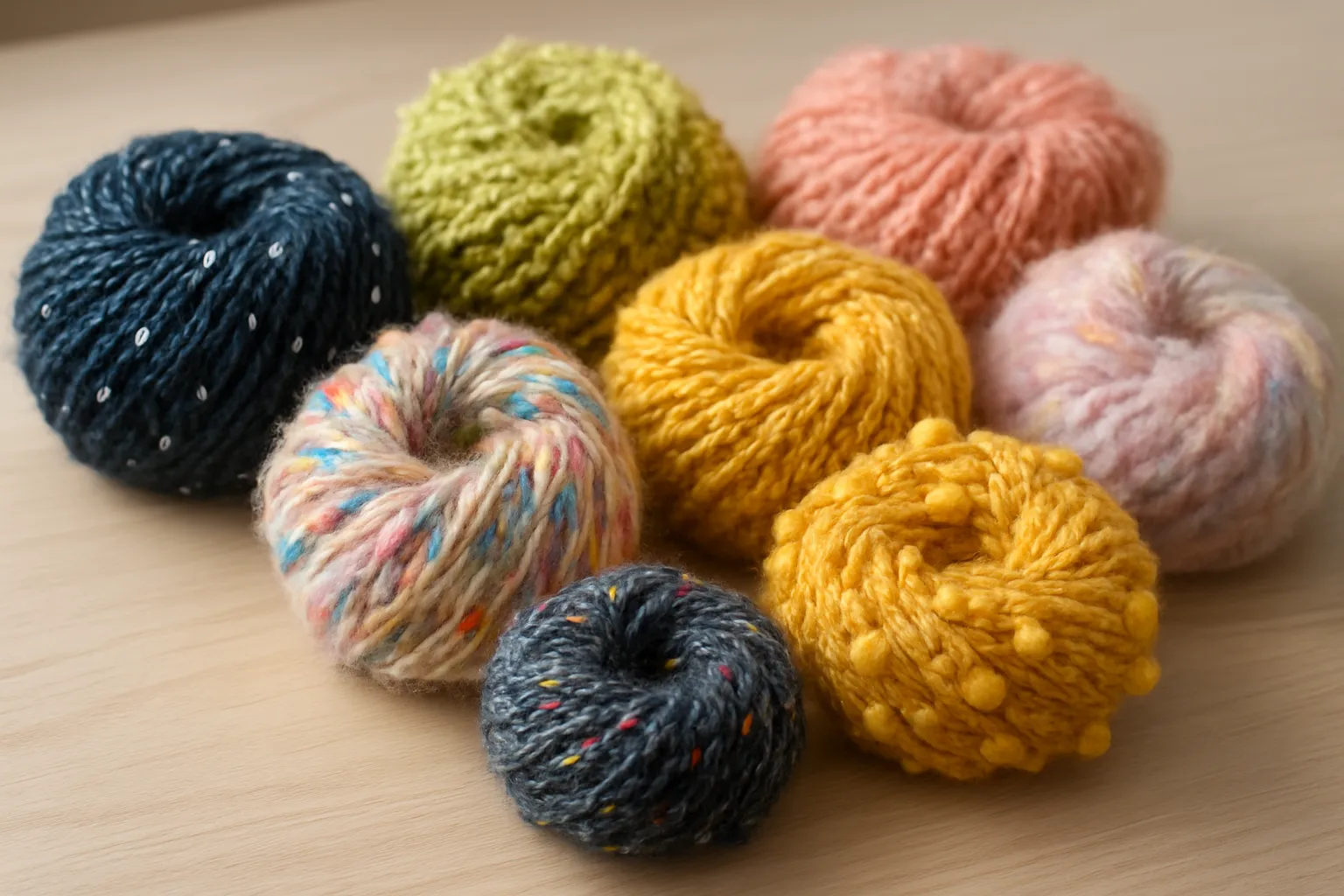
The fancy yarn market is defined by a variety of popular types that cater to a wide range of crafting applications. Among the most sought-after varieties are bouclé, eyelash, and novelty yarns, each offering a distinct visual and tactile experience. For instance, bouclé yarn features loops that create a textured fabric, while eyelash yarn presents a soft, feathery appearance, making it ideal for adding flair to garments and accessories.
Color and texture innovations are driving the trends in fancy yarn. Dyed yarns that transition through multiple colors, often referred to as gradient or ombre yarns, have become particularly trendy. Additionally, the incorporation of metallic threads and sequins in yarn construction has opened new creative avenues, enabling crafters to produce striking pieces that stand out in the marketplace. With sustainability increasingly becoming a priority for consumers, eco-friendly options made from recycled materials or organic fibers are also gaining popularity.
Fancy yarn boasts a wide array of applications in knitting and crocheting, allowing artisans to create unique items such as scarves, hats, and shawls that highlight intricate patterns and textures. The versatility of fancy yarn encourages creative expression, enabling crafters to mix and match different yarn types to achieve their desired effects.
Beyond knitting and crocheting, fancy yarn is making significant inroads into weaving and other crafts. Weavers are employing fancy yarns to add depth and interest to their textiles, while artisans in macramé and embroidery are incorporating these materials to elevate their projects. The ability to blend fancy yarn with traditional techniques is transforming the way artisans approach their craft, resulting in innovative and marketable products.
For businesses eager to capitalize on the fancy yarn trend, sourcing high-quality materials is essential. Identifying reliable suppliers is the first step to ensuring a consistent product offering. Attending trade shows, joining industry associations, and utilizing online platforms can help businesses connect with reputable yarn manufacturers and distributors. For example, you can explore various products offered by Pujiang Yercan Textile Technology Co., Ltd.
When evaluating quality and specifications, it’s crucial to consider factors such as fiber content, dyeing processes, and texture. High-quality fancy yarn should not only be visually appealing but also durable and user-friendly. Conducting sample tests and gathering feedback from artisans can provide valuable insights into the yarn’s performance across various applications.
When comparing fancy yarn to traditional yarn, several performance characteristics come into play. Fancy yarns often excel in aesthetics, offering unique textures and vibrant colors that can significantly enhance a project. However, they may also present challenges in terms of handling and care, as some fancy yarns require specialized techniques for optimal results.
Cost analysis is another critical consideration. Fancy yarns generally come at a higher price point than traditional yarns due to their specialized manufacturing processes and materials. Businesses must weigh the potential for higher profit margins against the increased costs when deciding to incorporate fancy yarn into their product lines.
To effectively market fancy yarn, businesses should develop targeted marketing strategies that emphasize the unique qualities and applications of their products. Social media platforms, particularly visual-centric ones like Instagram and Pinterest, serve as excellent tools for showcasing the beauty and versatility of fancy yarns. Engaging with crafting communities online can also foster brand loyalty and enhance awareness.
Integrating fancy yarn into product lines requires thoughtful planning. Companies should consider creating exclusive collections that feature fancy yarns, offering kits that include patterns and complementary materials. By positioning fancy yarn as a premium product, businesses can attract a niche market willing to pay a premium for unique crafting experiences.
Despite the opportunities that fancy yarn presents, businesses must navigate several challenges and considerations. Supply chain issues can arise, particularly when sourcing from international suppliers. Establishing strong relationships with suppliers and having contingency plans in place is vital to mitigate potential disruptions.
Understanding consumer preferences and trends is equally critical. As the crafting landscape evolves, businesses must stay attuned to the changing demands of their target market. Conducting regular market research and soliciting feedback from customers can help businesses adapt their offerings and maintain a competitive edge.
Common questions from handcraft businesses often revolve around best practices for selecting and using fancy yarn. Crafters frequently inquire about the ideal types of fancy yarn for specific projects, as well as tips for combining different yarns for maximum effect.
When choosing the right fancy yarn, consider the intended application, the skill level of the user, and the desired aesthetic outcome. Providing educational resources, such as tutorials and project ideas, can enhance customer engagement and support informed purchasing decisions.
In conclusion, the rise of fancy yarn in the handcraft markets presents a wealth of trends and opportunities for businesses. By understanding the current landscape, sourcing high-quality materials, and effectively marketing these products, companies can position themselves to thrive in this dynamic segment. With creativity and strategic planning, the future of fancy yarn looks bright, promising a continued evolution in the world of handcrafting.