
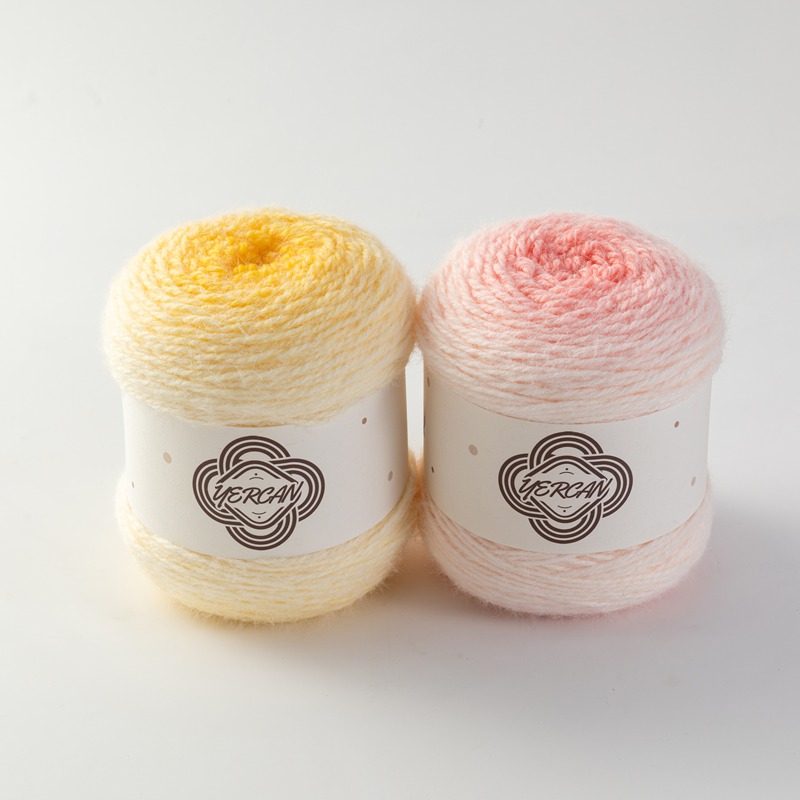
Space-Dyed Yarn: Labels for Lots and Color Sequences
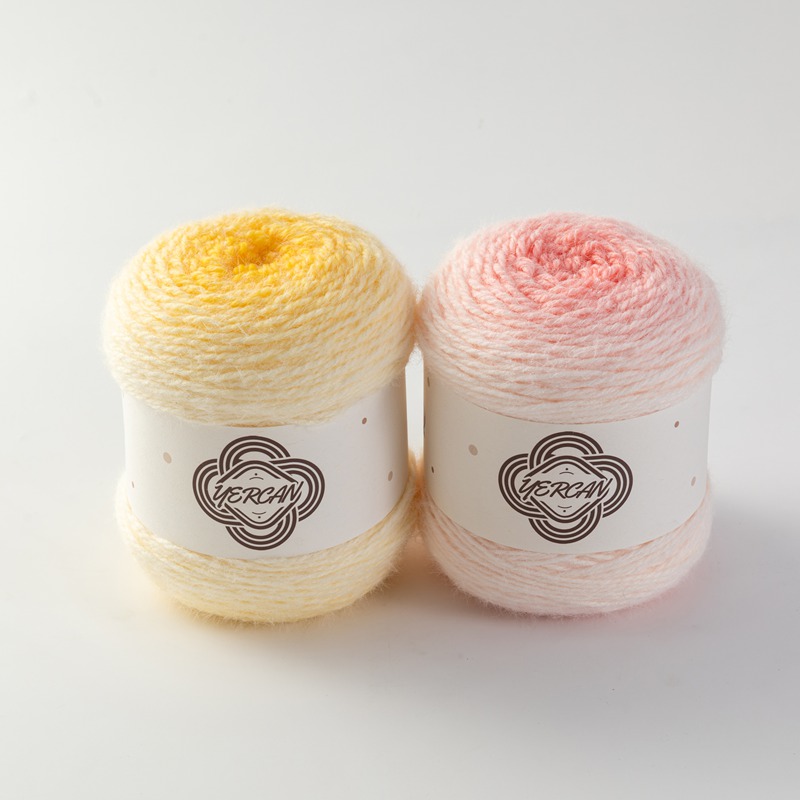
Label space-dyed yarn with a clear product code, confirmed colorway and supplier lot identifier, while keeping the visible color sequence as a separate reference. Define how individual units and mixed cartons will be identified. A cake photograph does not guarantee identical starting colors or finished patterns, so agree the required sequence information and approval reference before ordering.
Gradient yarn presents an extra receiving question: two packages may share a colorway while showing different colors at the outside. Yercan lists Long Space Dye Yarn as a nylon-polyester blend and a separate Gradient Acrylic Yarn as acrylic. A buyer should preserve those product identities and agree how color references travel with the shipment instead of relying on the visible cake alone.
1. Separate product, colorway and supplier lot
Use three distinct fields on the purchasing record: the yarn reference, the chosen colorway and the supplier’s lot identifier. Ask the supplier what each code means and how it appears on the proposed pack. Do not create an internal code that looks like a supplier lot number without making the distinction clear.
The Long Space Dye and Gradient Acrylic listings describe different materials and constructions. Keep them on separate order lines even when both are selected for a gradient assortment. A similar color effect does not make them interchangeable, and a shared marketing collection should not erase the specific item being received.
Catalogue references: Long Space Dye Yarn, Gradient Acrylic Yarn.
2. Agree what a color-sequence reference represents
Ask whether the available reference shows the overall palette, a particular winding position or an agreed worked sample. Record that scope alongside the photograph or physical sample. The color visible on the outside of a cake may not describe every color available through the length, so the buyer should not use it as the only identification method.
If starting color, sequence direction or matching between units matters to the project, state the requirement and ask the supplier to confirm feasibility. Do not promise identical striping, repeat placement or finished patterns from a general gradient description. The making method and project dimensions also affect what the user sees.
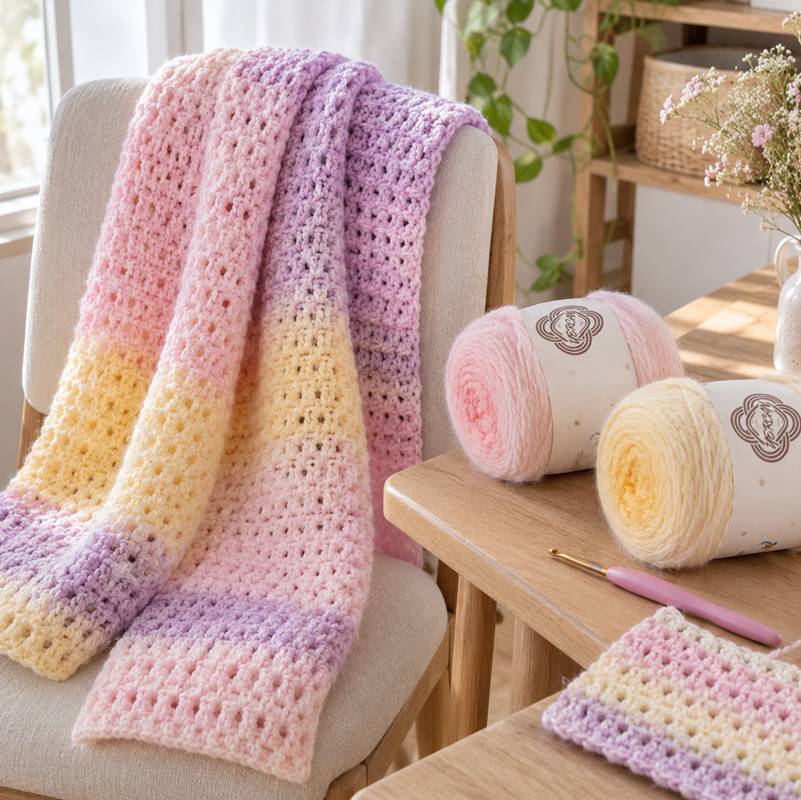
- Keep product code, colorway and supplier lot separate.
- State what the color-sequence reference represents.
- Carry variant identification through units and cartons.
3. Define the individual unit before designing labels
Confirm the supplied format, stated unit weight or length and how the yarn end will be accessible in the chosen presentation. Use the supplier’s confirmed values for the exact item rather than transferring figures from another gradient yarn. Ask whether the label is applied before packing or supplied separately for the buyer to attach.
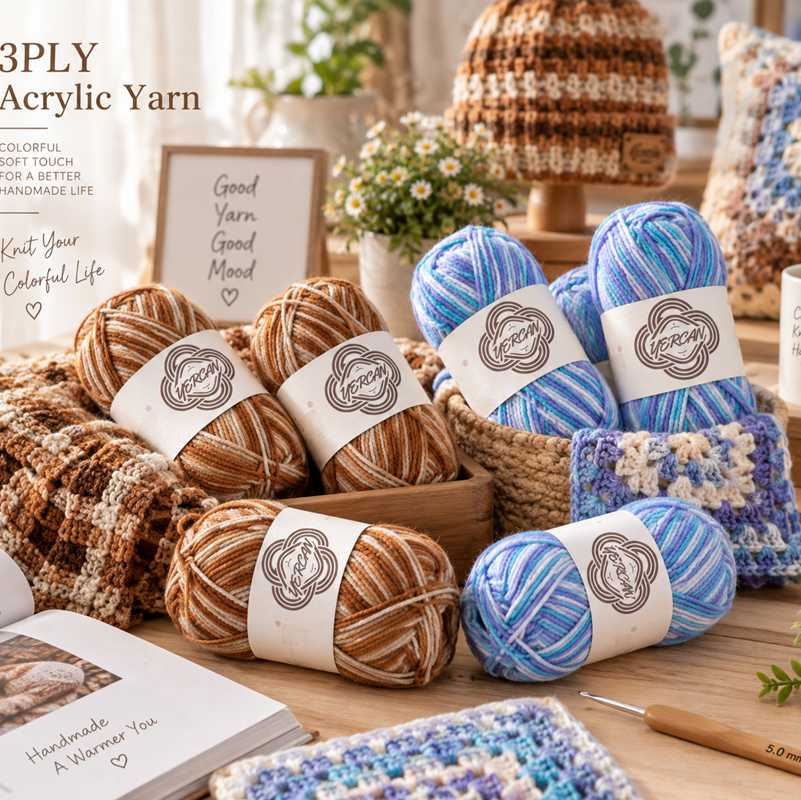
Review a labeled sample for readability and attachment to the selected pack. The item code and colorway should remain identifiable during normal receiving and picking. Keep decorative branding separate from operational fields so a visually attractive band does not replace the information staff need to locate the correct yarn.
| Identification field | Purpose | Do not assume |
|---|---|---|
| Product code | Distinguishes yarn construction | All gradient yarns use the same material |
| Colorway reference | Identifies the agreed palette | Every cake shows the same outside color |
| Supplier lot identifier | Supports shipment traceability | An old lot and new lot are identical |
| Sequence requirement | Records a specific confirmed need | A photograph guarantees finished striping |
4. Make mixed cartons understandable without guessing
Provide a packing schedule that lists the required units by product and colorway. Ask the supplier to show how each inner grouping and carton will identify those contents. If several lots are included, request a clear record of where they are packed instead of allowing a mixed shipment to lose its traceability at the outer carton.
Agree the receiving check before shipment. Staff should be able to compare the carton description, inner identification and individual units with the packing list. A carton marked only as gradient yarn leaves too much interpretation, particularly when the assortment contains both acrylic and blended-yarn references.
5. Keep reorder and difference records with the sample
Retain an approved label, colorway reference and representative yarn unit with the order record. Ask how the supplier will identify a later lot or revised colorway. A reorder using the same general color name should still receive its own lot information and should not be presented as a guarantee of an identical earlier appearance.
When reporting a difference, include the item code, colorway, lot identifier and photographs of the pack and yarn. Describe the observed issue without assuming its cause. Confirm commercial terms, packing conditions and any sequence-related requirement directly before ordering so the records reflect what the supplier actually agreed to deliver.
Frequently Asked Questions
Does the outside cake color identify the full colorway?
Use the agreed colorway code and reference instead. An outside view may show only one position in the yarn presentation. Ask the supplier what the sample represents before using a photograph to identify every unit.
Does a lot number guarantee an identical finished pattern?
No. A lot identifier supports traceability; it is not a promise of identical pattern placement. If a project requires particular sequence or starting-color conditions, state them separately and obtain explicit confirmation from the supplier.
Can acrylic and blended gradient yarn share one item code?
Keep distinct constructions separately identifiable. The selected catalogue references have different material declarations. Even within one display assortment, the product code and packing record should let receiving staff distinguish the exact yarn supplied.
Send the required yarn references, colorway schedule and receiving units. Ask Yercan to propose the individual and carton labels, and confirm any sequence-specific requirement separately before completing the packing approval. Browse the product catalogue, read the gradient-yarn design overview or contact the supplier.