
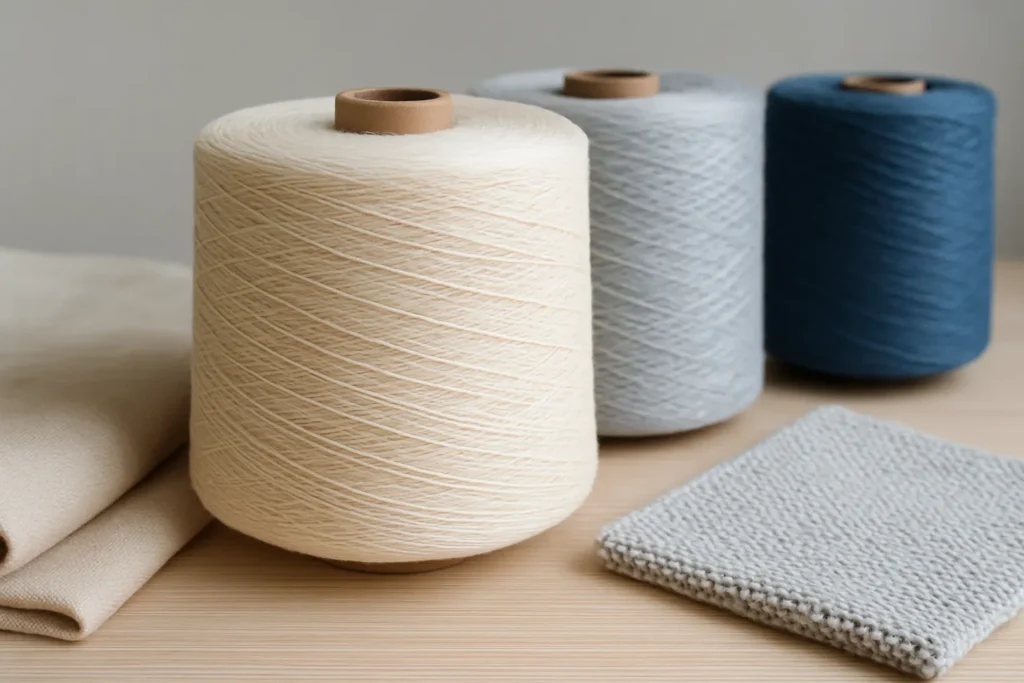
How to Choose the Right Synthetic Yarn for Home Textile Projects
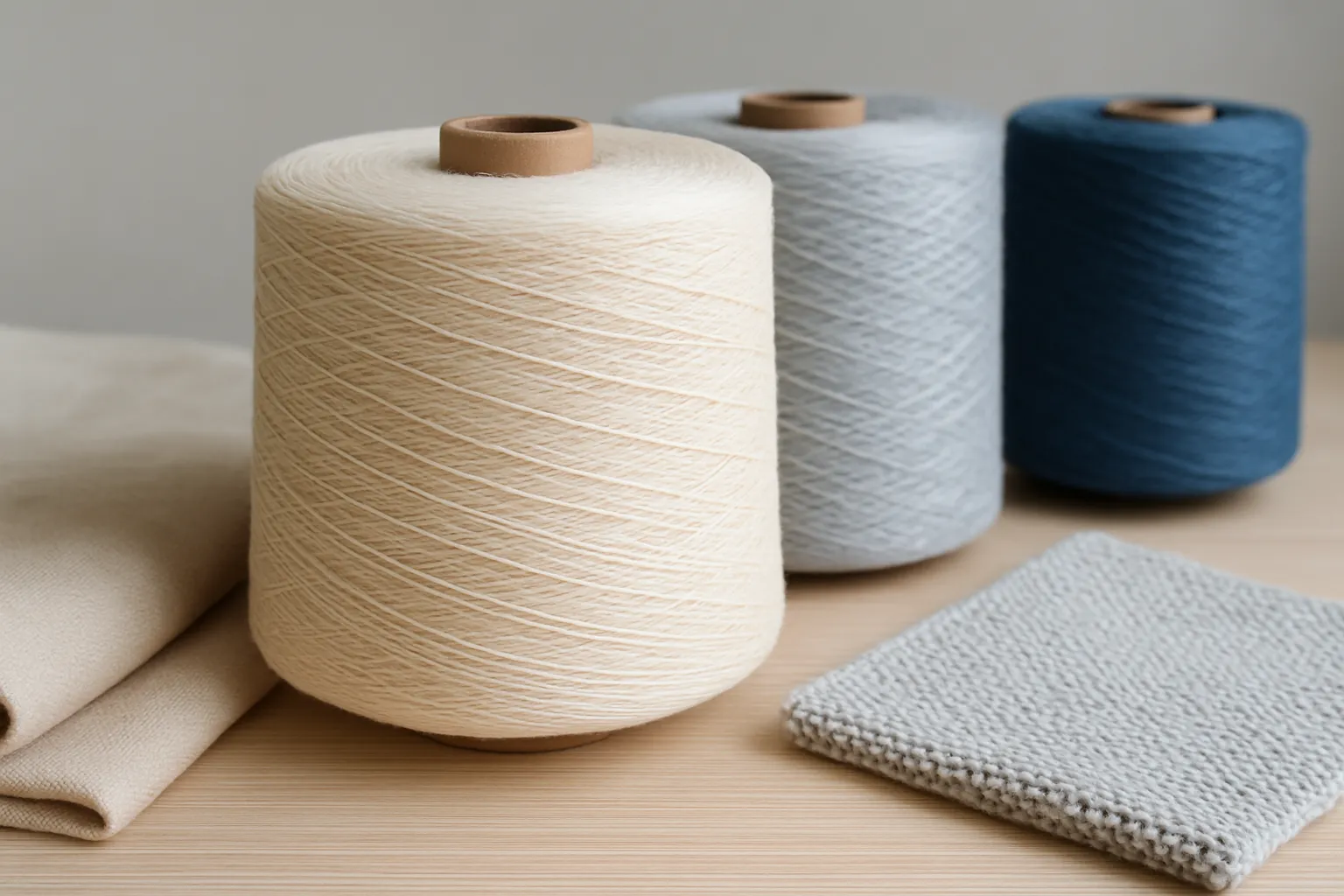
Synthetic yarn is a type of yarn made from man-made fibers rather than natural sources like cotton or wool. These fibers are typically derived from petrochemicals and undergo various processes to create materials that are both versatile and durable. The increasing popularity of synthetic yarn in home textile projects can be attributed to its unique properties, such as affordability, ease of care, and a wide range of colors and textures. As home textile projects continue to gain traction among DIY enthusiasts and professional designers alike, understanding how to choose the right synthetic yarn becomes essential for achieving the desired results.
Types of Synthetic Yarn
When it comes to synthetic yarn, there are several common types that you may encounter, each with its own set of properties and characteristics:
- Polyester Yarn: Known for its strength and durability, polyester yarn is resistant to shrinking and stretching. It also dries quickly, making it an excellent choice for various home textiles.
- Nylon Yarn: This type of yarn is incredibly strong and elastic. Nylon yarn is often used in applications requiring high durability, such as upholstery or outdoor textiles.
- Acrylic Yarn: Acrylic yarn is lightweight and soft, making it a popular choice for knitters and crocheters. It mimics the feel of wool but is generally more affordable and easier to care for.
- Rayon Yarn: While rayon is semi-synthetic and derived from natural cellulose fibers, it is often grouped with synthetic yarns due to its manufacturing process. It has a luxurious sheen and drapes beautifully, making it ideal for decorative textiles.
Understanding the properties of these synthetic yarn types can help you select the right material for your home textile projects.
Key Specifications to Consider
When choosing synthetic yarn for home textiles, several key specifications should be taken into account:
- Fiber Composition: The composition of the yarn affects its texture, strength, and suitability for different applications. For example, polyester blends may offer enhanced durability, while acrylic blends may provide a softer feel.
- Yarn Weight and Thickness: Yarn weight is crucial as it influences the final appearance and functionality of the textile. Heavier yarns are typically used for upholstery, while lighter weights are suitable for garments and decorative items.
- Durability and Maintenance: Consider how much wear and tear the finished product will experience. Synthetic yarns are generally low-maintenance and resistant to fading, but some may require specific washing instructions to maintain their quality.
Use Cases for Synthetic Yarn in Home Textiles
Synthetic yarns have a variety of applications in home textiles, including:
- Upholstery Applications: Synthetic yarns, particularly polyester and nylon, are commonly used in upholstery due to their durability and resistance to stains. They can withstand the rigors of everyday use while maintaining their aesthetic appeal.
- Bedding and Linens: Acrylic and polyester yarns are often used in bedding and linens, offering comfort and warmth without the high maintenance associated with natural fibers. They are also available in a wide range of colors and patterns.
- Decorative Textiles: Synthetic yarns are perfect for decorative textiles such as throw pillows, curtains, and wall hangings. Their vibrant colors and textures can enhance any living space.
Comparing Synthetic Yarn Options
When comparing synthetic yarn options, consider the following factors:
- Cost vs. Quality: While synthetic yarns are generally more affordable than natural fibers, it’s essential to balance cost with quality. Higher-quality synthetic yarns may have better durability and appearance, which can be more cost-effective in the long run.
- Performance Metrics: Assess the performance metrics of different yarn types, including resistance to wear, colorfastness, and ease of care. This evaluation will help you choose a yarn that meets your specific project needs.
- Environmental Considerations: As sustainability becomes increasingly important, consider the environmental impact of your yarn choices. Some synthetic yarns are now made from recycled materials, providing a more eco-friendly option.
Sourcing Synthetic Yarn
Finding the right synthetic yarn involves sourcing from reliable suppliers. Here are some tips:
- Finding Reliable Suppliers: Look for suppliers with a strong reputation in the industry. Online marketplaces, trade shows, and local fabric stores can be excellent resources for finding quality synthetic yarn. For a wide selection of synthetic yarn options, check out the Products – Pujiang Yercan Textile Technology Co., Ltd.
- Evaluating Supplier Credentials: Check for certifications and reviews to ensure that your supplier meets quality standards. Look for suppliers that provide transparency regarding their manufacturing processes and materials.
- Bulk Purchasing Strategies: If you are planning a large project, consider bulk purchasing to save costs. Many suppliers offer discounts for bulk orders, which can significantly reduce your overall expenses.
Implementation Tips for Home Textile Projects
To ensure smooth implementation of your home textile projects, keep these tips in mind:
- Best Practices for Working with Synthetic Yarn: Always follow the manufacturer’s guidelines for handling and washing your yarn. Pre-washing your yarn can prevent future shrinkage and color bleeding.
- Tools and Equipment Needed: Invest in quality tools such as knitting needles or crochet hooks that match your yarn weight. Additionally, having a good pair of scissors and a yarn needle will make your project easier.
- Common Mistakes to Avoid: One common mistake is not checking the dye lot of your yarn. Always buy enough yarn from the same dye lot to ensure color consistency throughout your project.
Frequently Asked Questions
- What is the Best Synthetic Yarn for Beginners? For beginners, acrylic yarn is often recommended due to its affordability and ease of use. It’s soft, comes in a variety of colors, and is easy to care for.
- How to Care for Synthetic Yarn Products? Most synthetic yarns can be machine washed on a gentle cycle and tumble dried on low heat. Always check the care label for specific instructions.
- Can Synthetic Yarn Be Recycled? Yes, many synthetic yarns can be recycled. However, the recycling process can vary, so it’s essential to check with local recycling facilities for proper disposal methods.
Conclusion
Choosing the right synthetic yarn for your home textile projects involves understanding the various types of yarn available, their properties, and how they fit into your specific needs. By considering key specifications, comparing options, and sourcing from reliable suppliers, you can ensure that your projects not only meet your aesthetic goals but also stand the test of time. With the right knowledge and tools, you can confidently embark on your home textile journey, creating beautiful and functional pieces that enhance your living space.