
Understanding Blended Yarn: Key Benefits and Applications in Industry
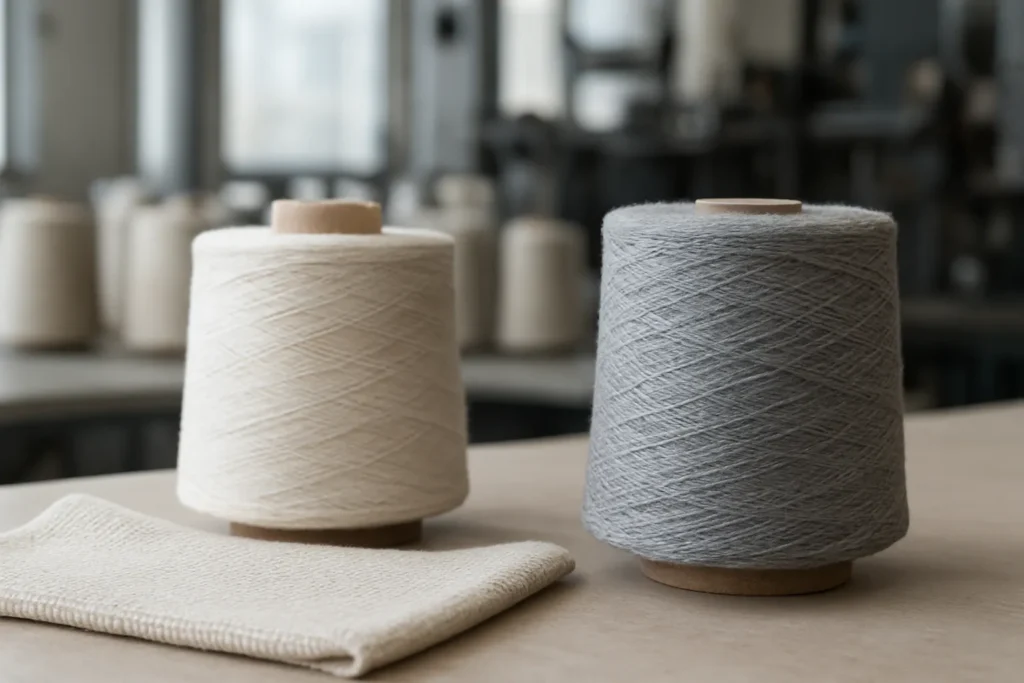
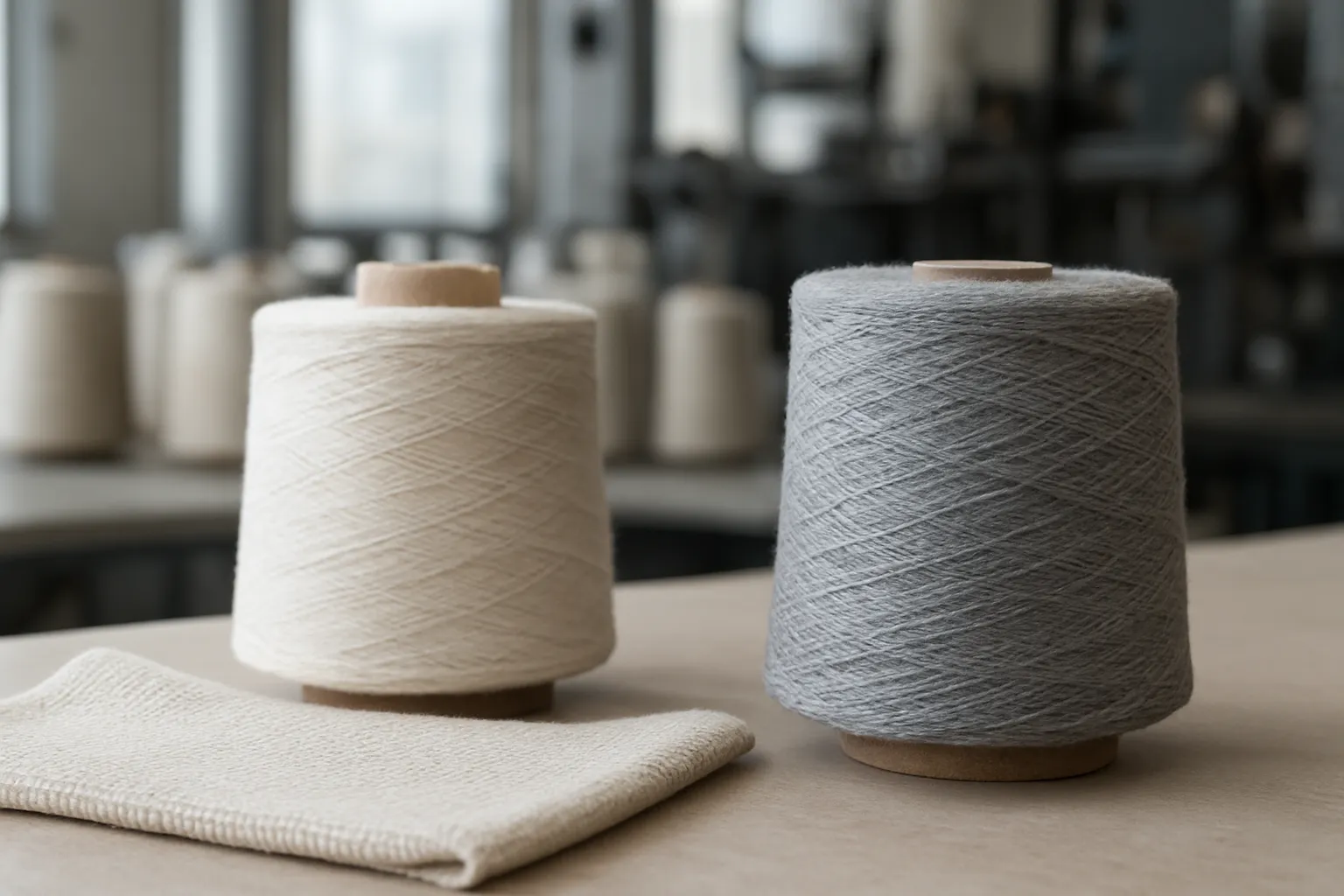
Blended yarn is an innovative type of yarn created by combining two or more different fibers, resulting in a unique material that harnesses the beneficial properties of each fiber. This method of yarn production has gained considerable popularity across various industries due to its versatility and superior performance characteristics. In sectors where durability, strength, and functionality are essential, blended yarn plays a vital role in manufacturing textiles, automotive components, and home furnishings.
The significance of blended yarn in industrial applications is immense. As industries adapt and the demand for high-quality materials escalates, blended yarn provides effective solutions that meet these needs while also being cost-efficient. This article delves into the specifications, use cases, comparisons, sourcing strategies, and implementation tactics for blended yarn, offering a thorough overview for businesses contemplating its integration into their production processes.
Specifications of Blended Yarn
Understanding the specifications of blended yarn is crucial for grasping its applications and advantages.
– **Composition and Material Types:** Blended yarn can be composed of various fibers, including natural fibers like cotton, wool, and silk, alongside synthetic fibers such as polyester, nylon, and acrylic. The combination of these fibers allows manufacturers to produce yarns that exhibit specific properties, such as moisture-wicking, breathability, and enhanced strength.
– **Strength and Durability Metrics:** One of the primary benefits of blended yarn is its ability to merge the strengths of different fibers. For instance, a blend of polyester and cotton can create a yarn that is both durable and soft, making it suitable for a wide array of applications. Key durability metrics to consider include tensile strength, abrasion resistance, and longevity, which are essential for industrial use.
– **Cost Considerations:** The initial cost of blended yarn may vary based on the fibers used, but the long-term benefits often justify the upfront investment. Many businesses discover that blended yarn reduces production costs by minimizing waste and enhancing the durability of the final products, leading to lower replacement rates and improved customer satisfaction.
Use Cases of Blended Yarn in Industry
Blended yarn is utilized across a variety of industries, reflecting its versatility and performance.
– **Textile Manufacturing:** In textile manufacturing, blended yarn is extensively used for making fabrics that require specific attributes, such as stretch, softness, or moisture management. Blends like cotton-polyester are commonly employed in clothing, offering both comfort and durability. For more information on various yarn products, visit Products – Pujiang Yercan Textile Technology Co., Ltd..
– **Automotive Applications:** The automotive sector leverages blended yarn in the production of seat covers, upholstery, and other interior components. Blended yarns that incorporate synthetic fibers provide enhanced resistance to wear and tear, making them ideal for high-traffic areas within vehicles.
– **Home Furnishings:** Blended yarn is also prevalent in the home furnishings industry, used to create rugs, curtains, and upholstery. The combination of fibers can yield fabrics that are not only visually appealing but also durable and easy to maintain.
Comparison with Other Industrial Yarns
It’s vital for businesses to understand how blended yarn compares to other types of industrial yarn.
– **Blended Yarn vs. Pure Yarn:** Pure yarns, which are made from a single fiber type, often lack the versatility and enhanced properties that blended yarns deliver. For example, while pure cotton yarn is soft and breathable, it may not offer the same durability as a cotton-polyester blend, which effectively combines the best features of both materials.
– **Performance Analysis:** Performance metrics such as tensile strength, elasticity, and moisture management are critical for assessing yarn types. Typically, blended yarns outperform pure yarns in these metrics, making them a preferred choice for demanding industrial applications.
– **Cost-Benefit Evaluation:** When evaluating the cost-effectiveness of blended yarn against pure yarn, businesses should consider not only the raw material prices but also the long-term benefits. Blended yarn often results in lower production costs due to its durability and the reduced need for frequent replacements.
Sourcing Blended Yarn
Sourcing high-quality blended yarn is crucial for businesses aiming to enhance their production capabilities.
– **Identifying Reliable Suppliers:** Companies should seek suppliers with a strong track record in providing high-quality blended yarn. Researching supplier reputations, customer reviews, and industry certifications can aid in selecting trustworthy partners.
– **Quality Assurance Standards:** Implementing quality assurance standards is vital when sourcing blended yarn. Suppliers should adhere to industry standards and furnish documentation verifying the yarn’s quality and composition.
– **Bulk Purchasing Considerations:** For companies engaged in large-scale production, bulk purchasing of blended yarn can yield significant cost savings. Entering into long-term contracts with suppliers may also provide stability in pricing and supply.
Implementation Strategies for Blended Yarn
Successfully integrating blended yarn into production processes necessitates strategic planning.
– **Integration into Production Processes:** Businesses should evaluate their current production processes to pinpoint areas where blended yarn can be effectively introduced. This may involve modifying machinery settings or adjusting production techniques to accommodate the unique properties of blended yarn.
– **Training and Skill Development:** Ensuring that staff are trained in handling and processing blended yarn is crucial for maintaining quality standards. Offering training sessions can enhance employees’ understanding of the benefits and characteristics of blended yarn, leading to improved production outcomes.
– **Maintenance and Quality Control:** Regular maintenance of machinery and stringent quality control measures are essential when working with blended yarn. This helps prevent production issues and ensures that the final products meet the desired specifications.
Frequently Asked Questions (FAQs)
– **What are the advantages of using blended yarn?** Blended yarn offers several advantages, including enhanced durability, improved performance characteristics, and cost-effectiveness. The mixture of different fibers allows manufacturers to create materials that fulfill specific industrial requirements.
– **How does blended yarn impact production efficiency?** By improving the durability and performance of the final products, blended yarn can reduce waste and lower replacement rates, ultimately enhancing production efficiency and profitability.
– **Which industries benefit most from blended yarn?** Industries such as textile manufacturing, automotive, and home furnishings significantly benefit from the use of blended yarn due to its versatility and superior properties.
In conclusion, blended yarn stands out as a valuable asset in industrial applications, offering a range of benefits that cater to the evolving needs of various sectors. By understanding its specifications, exploring use cases, and implementing effective sourcing and integration strategies, businesses can leverage blended yarn to enhance their product offerings and improve overall operational efficiency. For further technical insights, refer to this technical reference from Engineering360.