
Solid Yarn Colours: Name the Approval Reference
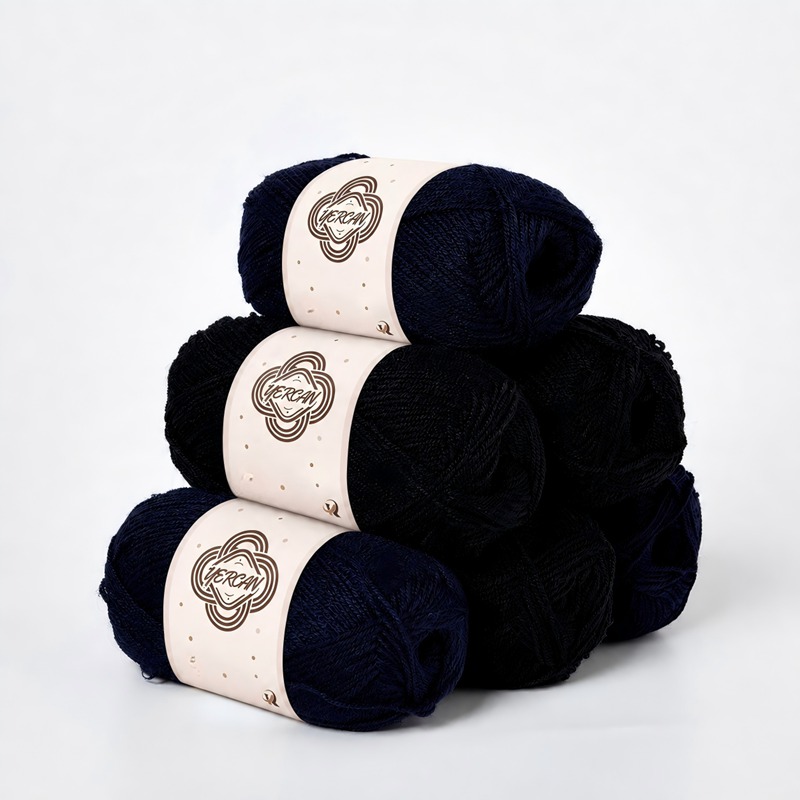
YK044 catalogue yarn group. The photograph identifies a dark-coloured reference; it is not a colour standard or an agreed multi-unit pack.
For a custom solid-colour yarn enquiry, identify the physical colour reference and the exact yarn construction to which approval will apply. Yercan’s YK044 Hair Accessory Yarn page lists “Pure colors; custom colors available upon request.” Ask the supplier how the requested colour will be represented, sampled and confirmed before treating a catalogue photograph or informal colour name as the approved target.
This gives a buyer a practical starting point for a custom-colour request. The sample needs to answer which colour is proposed on which yarn, rather than simply show an attractive accessory. Keep the target reference, supplier proposal and buyer’s selected sample distinct. A clear approval record helps purchasing communicate a colour decision without suggesting that an unconfirmed match or future supply has already been guaranteed.
Attach the colour request to YK044
Use the Hair Accessory Yarn YK044 page in the enquiry. It names Hair Accessory Thread, describes the category as Acrylic Yarn and lists 100% Acrylic, 15 NM and 3 Ply. Retain these source fields as the construction reference for the colour request. The page also gives a 2–3mm needle and hook entry, supporting its stated handmade-accessory context.
The page says that different thicknesses and acrylic/polyester compositions can be discussed. If a custom construction is proposed, ask whether the colour sample represents that proposal or the listed YK044 reference. Give the alternative its own description. Do not carry a colour approval from one construction to another without the supplier identifying the version being offered.
Name the target reference before requesting a match
Tell the supplier whether the buyer’s target is a physical yarn reference, a colour card entry or another expressly identified sample. Record its name or identifier and the version being supplied for discussion. If a photograph accompanies the request, explain whether it identifies the reference or is the only target currently available. Ask the supplier to acknowledge that starting point before preparing a proposal.
Colour record
What to identify
Supplier answer
Requested yarn
YK044 or a separately described custom construction
Exact offered reference
Buyer target
Physical sample or named colour reference
Acknowledgement of the reference received
Proposed colour
Supplier sample and its identifying code
Construction and version represented
Approval basis
Selected physical reference and viewing arrangement
Agreed scope of the retained reference
Avoid replacing the target with a broad word such as dark, blue or black after the sample discussion has begun. Such words can remain useful descriptions, but the agreed reference should identify what the buyer selected. If the supplier uses an internal colour code, ask how it maps to the sample rather than inventing a corresponding code for the manufacturer.
YK044 application scene with worked accessories and craft props. These items illustrate appearance; they do not establish supplied finished goods or an exact shade match.
Agree how the proposed sample will be reviewed
Ask for an identified yarn sample representing the proposed colour and offered construction. Agree how it will be presented for comparison with the buyer’s target. If the buyer needs to review a worked reference as well as loose yarn, identify that requirement separately and state what the worked sample is intended to show. Keep its making description with the sample where relevant.
Use an agreed viewing arrangement for the comparison and record the selected reference. The catalogue’s styled photographs include different surfaces, backgrounds and finished accessories; they are not a defined colour-approval method. A picture of a dark yarn beside an accessory should not be treated as confirmation that a physical custom sample will match the buyer’s intended reference.
Keep the target reference and proposed sample separately identifiable.
Confirm the exact yarn construction represented by the sample.
Record the agreed presentation and viewing arrangement.
Name the selected physical reference and the decision it supports.
Keep a revision visible when the proposal changes
If another colour is proposed, give the new sample its own identifier and retain the earlier response. Record whether the change replaces the target, offers an alternative or addresses a specific buyer comment. A concise decision note should say which reference was selected and whether any point remains open. This prevents an older photograph from being mistaken for the latest approval.
Ask how the approved reference will be retained for the current enquiry or order. Keep colour approval separate from any required colourfastness, material or other performance evaluation. The source page does not provide a quantified matching tolerance or such test evidence. Any additional evaluation and acceptable range should be defined for the actual purchasing requirement.
Send a focused custom-colour enquiry
An enquiry can read: “We are reviewing YK044 for a custom solid-colour requirement. Please acknowledge our attached physical colour reference, identify the proposed sample and confirm the yarn construction it represents. Advise how you propose to present it for comparison and how the selected reference will be retained. Please identify another construction or colour proposal as a separate option.”
Send the product link and reference details through the Yercan contact page. Buyers reviewing wholesale crochet yarn for hair-accessory projects can use the same clear reference structure while requesting current feasibility, sample arrangements and commercial terms directly. The catalogue’s custom-colour wording starts that conversation; it does not complete the agreement.
YK044 gallery collage. The different applications are catalogue examples, not one supplied kit, a complete colour card or a promise of identical finished results.
Frequently asked purchasing questions
Does “custom colors available” confirm a specific match?
Ask the supplier to review the actual target and proposed construction. A selected physical sample and agreed approval basis are still needed.
Can the catalogue photograph be the approved colour card?
Use it to identify the catalogue presentation. State and agree the actual colour reference that will govern the purchasing decision.
Does approval follow a changed yarn construction?
Ask which construction the sample represents and whether a new reference is needed for the proposed change.
What should stay with the final colour decision?
Retain the target, identified proposed sample, selected physical reference, construction and decision note, with any separate evaluation requirements.
Solid YarnCustom ColoursApproval Reference