
How to Select the Ideal Blended Yarn for Your Knitting Projects
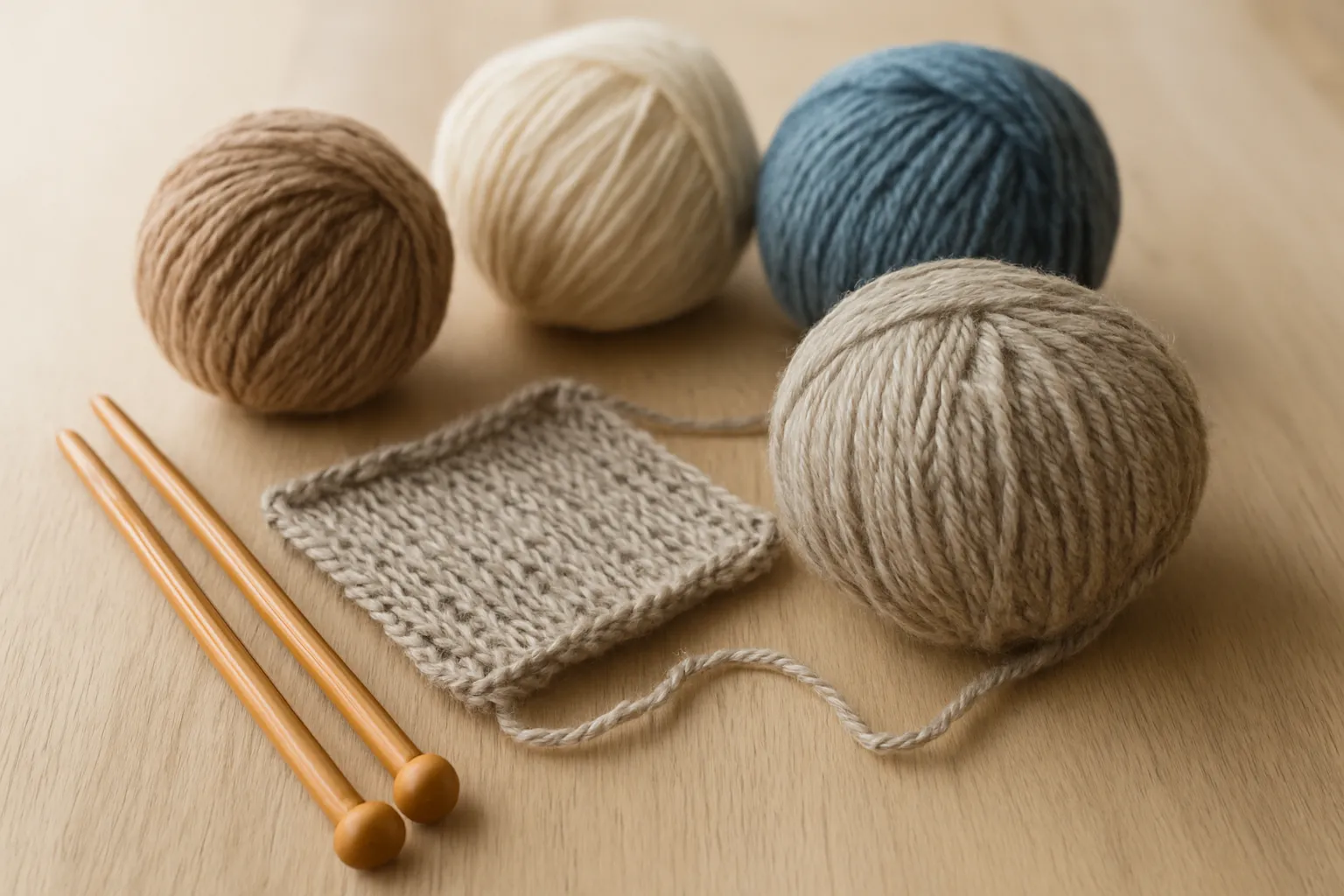
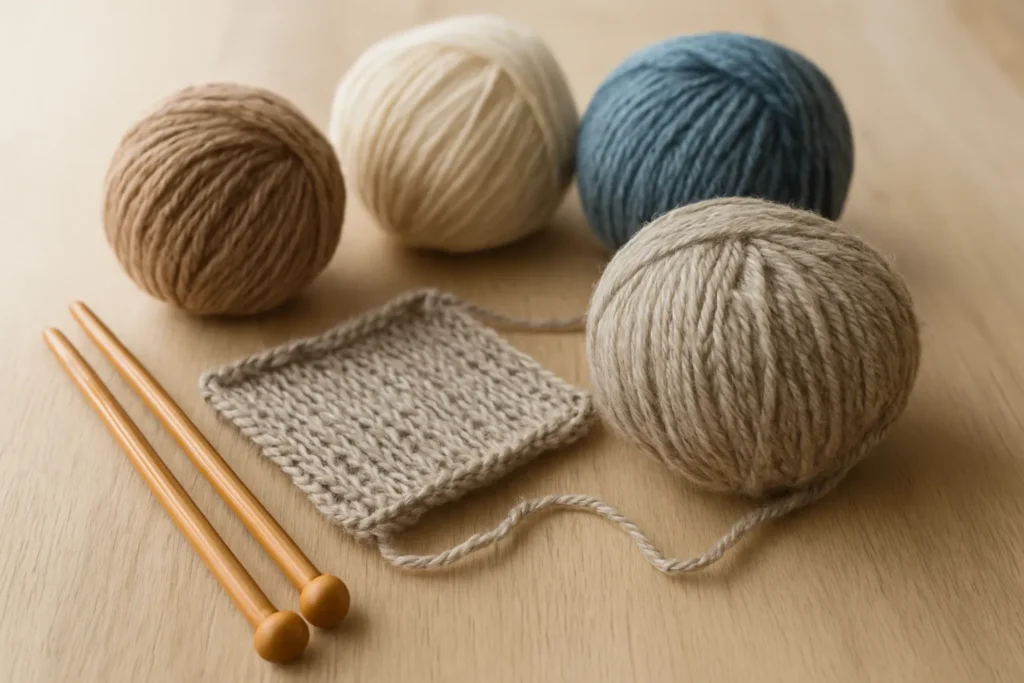
Blended yarn is a fascinating choice for knitters, offering a combination of two or more fibers, such as natural fibers like wool and cotton, along with synthetic options like acrylic and nylon. This fusion not only enhances the yarn’s visual appeal but also improves its functional qualities. In my experience, selecting the right yarn is crucial; it greatly influences the texture, durability, and overall appearance of the final product. By understanding the intricacies of blended yarn, you can make well-informed choices that elevate your knitting projects.
Understanding Yarn Specifications
When it comes to choosing blended yarn, several specifications can affect its performance and suitability for your projects.
- Fiber Content and Its Impact: The fiber composition is vital in determining the yarn’s characteristics. For example, a blend of wool and acrylic can offer warmth and elasticity while remaining lightweight and easy to care for. Understanding the properties of each fiber type is essential for selecting the right blend for your specific needs.
- Weight and Thickness Considerations: Yarn weight ranges from lace to super bulky and significantly influences the drape and structure of your finished piece. Thicker yarns are perfect for quick projects like blankets, while lighter weights are better suited for intricate patterns. Always check the recommended gauge to ensure your project aligns with your design specifications.
- Color and Dye Options: Blended yarns frequently come in a variety of colors and dyeing techniques, such as variegated, tonal, and solid hues. The dyeing process can affect the final look of your knitted item, so consider how the colors will interact in your design.
Use Cases for Blended Yarn
Blended yarns are incredibly versatile and can be utilized in various knitting projects.
- Best Projects for Blended Yarn: These yarns are particularly well-suited for garments that require both comfort and durability, such as sweaters, scarves, and hats. Their adaptability makes them ideal for both casual and formal attire.
- Seasonal Considerations for Yarn Selection: The season can greatly influence your choice of blended yarn. For winter projects, a wool-acrylic blend provides warmth, while cotton blends are perfect for summer garments, offering breathability and comfort.
- Performance Characteristics in Different Projects: Depending on the project, the performance of blended yarn can vary. For example, a cotton-wool blend may be more appropriate for moisture-wicking properties in summer accessories, while a wool-synthetic blend can provide better insulation for winter wear.
Comparing Blended Yarn Types
Understanding the various types of blended yarns available can help refine your choices.
- Common Blends and Their Benefits: Popular blends include wool-acrylic, cotton-polyester, and silk-merino. Each blend brings unique benefits; for instance, the wool-acrylic blend combines warmth with easy care, making it a favorite for everyday projects.
- Natural vs. Synthetic Blended Yarns: Natural yarns are often preferred for their breathability and comfort, while synthetic blends provide durability and ease of maintenance. Your choice between the two will depend on the intended use and care requirements of the finished product.
- Price Points and Quality Assessment: Prices can vary significantly based on fiber content and brand. Assessing quality involves not just the feel of the yarn but also its durability and how well it holds up after washing and wear. I believe that investing in high-quality blended yarn can result in better long-term performance.
Sourcing Blended Yarn
Finding reliable suppliers is crucial for acquiring quality blended yarn.
- Finding Reliable Suppliers: Look for suppliers with a strong reputation in the knitting community. Online reviews, recommendations from fellow knitters, and attending trade shows can help you identify trustworthy sources. For a reliable selection of quality yarns, check out Products – Pujiang Yercan Textile Technology Co., Ltd.
- Evaluating Yarn Quality from Vendors: Before making a purchase, request samples to evaluate the yarn’s texture, strength, and colorfastness. This step is essential, especially when sourcing for bulk orders.
- Bulk Purchasing Considerations: If you’re planning large projects or commercial production, consider bulk purchasing options. Many suppliers offer discounts for larger quantities, which can significantly reduce costs.
Implementing Blended Yarn in Projects
Successfully incorporating blended yarn into your projects requires some practical tips.
- Tips for Working with Blended Yarn: Always check the recommended needle size and gauge for the specific blend you are using. Experimenting with different needle types can also yield different results in terms of stitch definition and drape.
- Tools and Accessories for Optimal Results: Invest in quality knitting tools, such as stitch markers and row counters, to enhance your knitting experience. Additionally, using the right type of yarn for your needles will facilitate smoother knitting.
- Maintenance and Care for Finished Products: Proper care can extend the life of your knitted items. Always follow care instructions specific to the fiber content, especially when it comes to washing and drying.
FAQs About Blended Yarn
Addressing common questions can assist both novice and experienced knitters.
- Common Misconceptions: Many believe that blended yarns lack the quality of pure fibers. However, well-crafted blends can offer the best of both worlds, combining the desirable properties of each fiber.
- Troubleshooting Knitting Issues: If you experience issues like pilling or uneven tension, consider adjusting your knitting style or trying a different blend that better suits your technique.
- Recommendations for Beginners: For those new to knitting, starting with a wool-acrylic blend can provide an excellent balance of ease and performance, making it a forgiving choice for practice projects.
Conclusion
Choosing the right blended yarn for your knitting projects can significantly impact the quality and enjoyment of your work. By understanding the various specifications, use cases, and sourcing options, you can select the perfect yarn to meet your needs. Whether you are crafting a cozy sweater or a delicate scarf, blended yarn offers versatility and functionality that can enhance your knitting experience.